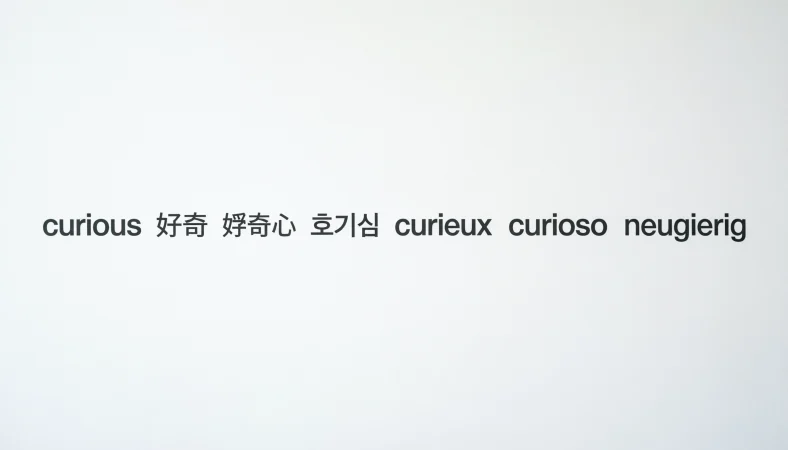
Ever wondered how to say “curious” in different languages? if you’re learning a new language, planning a trip, writing multilingual content, or simply exploring how people around the world express curiosity, this guide gives you 70 useful translations in one place.
The English word “curious” can describe someone who wants to know or learn more about something. Depending on the language, the exact translation can change according to gender, grammar, context, or whether you mean “eager to know” or “strange/unusual.”
Below, you’ll find curious in all languages covered in this guide, including the native expression, an easy English pronunciation, a natural example sentence, and its English meaning.
Curious in Different Languages
| # | Language | Native phrase | Easy English pronunciation | Example sentence | English meaning |
|---|---|---|---|---|---|
| 1 | Spanish | curioso / curiosa | koo-ree-OH-soh / koo-ree-OH-sah | Soy muy curioso sobre el mundo. | I am very curious about the world. |
| 2 | French | curieux / curieuse | koo-ree-UH / koo-ree-UHZ | Je suis curieux de connaître la réponse. | I am curious to know the answer. |
| 3 | German | neugierig | NOY-ghee-rikh | Ich bin neugierig auf das Ergebnis. | I am curious about the result. |
| 4 | Italian | curioso / curiosa | koo-ree-OH-zoh / koo-ree-OH-zah | Sono curioso di sapere la verità. | I am curious to know the truth. |
| 5 | Portuguese | curioso / curiosa | koo-ree-OH-zoo / koo-ree-OH-zah | Estou curioso para saber o resultado. | I am curious to know the result. |
| 6 | Dutch | nieuwsgierig | NOYS-khee-rikh | Ik ben nieuwsgierig naar het antwoord. | I am curious about the answer. |
| 7 | Swedish | nyfiken | NEE-feh-ken | Jag är nyfiken på resultatet. | I am curious about the result. |
| 8 | Norwegian | nysgjerrig | NUS-yair-ig | Jeg er nysgjerrig på svaret. | I am curious about the answer. |
| 9 | Danish | nysgerrig | NOOS-gair-ee | Jeg er nysgerrig efter at vide mere. | I am curious to know more. |
| 10 | Finnish | utelias | OO-teh-lee-ahs | Olen utelias tietämään lisää. | I am curious to know more. |
| 11 | Icelandic | forvitinn | FOR-vee-tin | Ég er forvitinn um svarið. | I am curious about the answer. |
| 12 | Irish | fiosrach | FISH-rakh | Tá mé fiosrach faoin scéal. | I am curious about the story. |
| 13 | Welsh | chwilfrydig | KHWEEL-vruh-dig | Rwy’n chwilfrydig am y canlyniad. | I am curious about the result. |
| 14 | Polish | ciekawy / ciekawa | chyeh-KAH-vih / chyeh-KAH-vah | Jestem ciekawy odpowiedzi. | I am curious about the answer. |
| 15 | Czech | zvědavý / zvědavá | ZVYEH-dah-vee / ZVYEH-dah-vah | Jsem zvědavý na výsledek. | I am curious about the result. |
| 16 | Slovak | zvedavý / zvedavá | ZVEH-dah-vee / ZVEH-dah-vah | Som zvedavý na odpoveď. | I am curious about the answer. |
| 17 | Slovenian | radoveden / radovedna | rah-doh-VEH-den / rah-doh-VEHD-nah | Radoveden sem glede rezultata. | I am curious about the result. |
| 18 | Croatian | znatiželjan / znatiželjna | znah-tee-ZHEL-yan / znah-tee-ZHEL-nah | Znatiželjan sam što će se dogoditi. | I am curious about what will happen. |
| 19 | Serbian | радознао / радознала | rahd-oh-ZNAH-oh / rahd-oh-ZNAH-lah | Радознао сам шта ће се догодити. | I am curious about what will happen. |
| 20 | Bulgarian | любопитен / любопитна | lyoo-boh-PEE-ten / lyoo-boh-PEET-nah | Любопитен съм за резултата. | I am curious about the result. |
| 21 | Macedonian | љубопитен / љубопитна | lyoo-boh-PEE-ten / lyoo-boh-PEET-nah | Љубопитен сум за резултатот. | I am curious about the result. |
| 22 | Romanian | curios / curioasă | koo-ree-OHS / koo-ree-oh-AH-suh | Sunt curios să aflu răspunsul. | I am curious to find out the answer. |
| 23 | Hungarian | kíváncsi | KEE-vahn-chee | Kíváncsi vagyok a válaszra. | I am curious about the answer. |
| 24 | Greek | περίεργος / περίεργη | peh-REE-er-ghos / peh-REE-er-ghee | Είμαι περίεργος να μάθω την απάντηση. | I am curious to learn the answer. |
| 25 | Russian | любопытный / любопытная | lyoo-boh-PIT-ny / lyoo-boh-PIT-nah-yah | Я любопытен узнать ответ. | I am curious to know the answer. |
| 26 | Ukrainian | допитливий / допитлива | doh-pyt-LYH-vyi / doh-pyt-LYH-vah | Я допитливий і люблю вчитися. | I am curious and love learning. |
| 27 | Belarusian | цікаўны / цікавая | tsee-KAHV-ny / tsee-KAH-vah-yah | Я цікаўны да новых рэчаў. | I am curious about new things. |
| 28 | Lithuanian | smalsus / smalsi | SMAHL-soos / SMAHL-see | Esu smalsus sužinoti daugiau. | I am curious to learn more. |
| 29 | Latvian | ziņkārīgs / ziņkārīga | ZING-kah-reegs / ZING-kah-ree-gah | Esmu ziņkārīgs par rezultātu. | I am curious about the result. |
| 30 | Estonian | uudishimulik | OO-dee-shee-moo-lik | Olen uudishimulik tulemuse suhtes. | I am curious about the result. |
| 31 | Albanian | kureshtar / kureshtare | koo-resh-TAR / koo-resh-TAH-reh | Jam kureshtar të di më shumë. | I am curious to know more. |
| 32 | Turkish | meraklı | meh-RAHK-luh | Sonucu öğrenmek için meraklıyım. | I am curious to learn the result. |
| 33 | Azerbaijani | maraqlı | mah-rahk-LUH | Nəticə ilə maraqlanıram. | I am curious about the result. |
| 34 | Armenian | հետաքրքրասեր | het-ah-KR-krah-sehr | Ես հետաքրքրասեր եմ նոր բաների նկատմամբ։ | I am curious about new things. |
| 35 | Georgian | ცნობისმოყვარე | tsno-BEES-moh-kvee-AH-reh | მე ცნობისმოყვარე ვარ. | I am curious. |
| 36 | Arabic | فضولي / فضولية | foo-ZOO-lee / foo-ZOO-lee-yah | أنا فضولي لمعرفة الإجابة. | I am curious to know the answer. |
| 37 | Hebrew | סקרן / סקרנית | sak-RAN / sak-RAH-nit | אני סקרן לדעת את התשובה. | I am curious to know the answer. |
| 38 | Persian | کنجکاو | konj-KAHV | من کنجکاوم که جواب را بدانم. | I am curious to know the answer. |
| 39 | Urdu | متجسس | moh-tah-JAS-sis | میں اس جواب کے بارے میں متجسس ہوں۔ | I am curious about this answer. |
| 40 | Hindi | जिज्ञासु | jij-NYAH-soo | मैं इस विषय के बारे में जिज्ञासु हूँ। | I am curious about this subject. |
| 41 | Bengali | কৌতূহলী | kow-too-HOH-lee | আমি বিষয়টি সম্পর্কে কৌতূহলী। | I am curious about the subject. |
| 42 | Punjabi | ਉਤਸੁਕ | oot-SOOK | ਮੈਂ ਇਸ ਗੱਲ ਬਾਰੇ ਉਤਸੁਕ ਹਾਂ। | I am curious about this matter. |
| 43 | Gujarati | જિજ્ઞાસુ | jij-NYAH-soo | હું આ વિષય વિશે જિજ્ઞાસુ છું. | I am curious about this subject. |
| 44 | Marathi | जिज्ञासू | jij-NYAH-soo | मला या विषयाबद्दल जिज्ञासा आहे. | I am curious about this subject. |
| 45 | Nepali | जिज्ञासु | jij-NYAH-soo | म यस विषयमा जिज्ञासु छु। | I am curious about this subject. |
| 46 | Sinhala | කුතුහලයෙන් | koo-too-HAH-lay-yen | මම මේ ගැන කුතුහලයෙන් සිටිමි. | I am curious about this. |
| 47 | Tamil | ஆர்வமுள்ள | AHR-vah-mool-lah | இந்த விஷயத்தைப் பற்றி எனக்கு ஆர்வம் உள்ளது. | I am curious about this matter. |
| 48 | Telugu | ఆసక్తిగల | AAH-sak-tee-gah-lah | ఈ విషయం గురించి నాకు ఆసక్తిగా ఉంది. | I am curious about this matter. |
| 49 | Kannada | ಕುತೂಹಲವುಳ್ಳ | koo-too-HAH-lah-vool-lah | ಈ ವಿಷಯದ ಬಗ್ಗೆ ನನಗೆ ಕುತೂಹಲವಿದೆ. | I am curious about this matter. |
| 50 | Malayalam | കൗതുകമുള്ള | kow-too-kah-MOOL-lah | എനിക്ക് ഈ കാര്യത്തെക്കുറിച്ച് കൗതുകമുണ്ട്. | I am curious about this matter. |
| 51 | Thai | อยากรู้อยากเห็น | yahk-roo-yahk-hen | ฉันอยากรู้อยากเห็นเรื่องนี้ | I am curious about this. |
| 52 | Vietnamese | tò mò | taw maw | Tôi tò mò về kết quả. | I am curious about the result. |
| 53 | Indonesian | penasaran | puh-nah-SAH-rahn | Saya penasaran dengan hasilnya. | I am curious about the result. |
| 54 | Malay | ingin tahu | IN-gin TAH-hoo | Saya ingin tahu tentang hasilnya. | I am curious about the result. |
| 55 | Filipino | mausisa | mah-oo-SEE-sah | Mausisa ako tungkol sa resulta. | I am curious about the result. |
| 56 | Chinese (Mandarin) | 好奇 | hǎo qí | 我对这个结果很好奇。 | I am curious about this result. |
| 57 | Japanese | 好奇心が強い | kōkishin ga tsuyoi | 私は新しいことに好奇心が強いです。 | I am very curious about new things. |
| 58 | Korean | 호기심이 많은 | hogisim-i maneun | 저는 새로운 것에 호기심이 많아요. | I am very curious about new things. |
| 59 | Mongolian | сониуч | soh-nee-OOTCH | Би энэ талаар сониуч байна. | I am curious about this. |
| 60 | Swahili | mwenye udadisi | MWEN-yeh oo-dah-DEE-see | Nina udadisi kuhusu jambo hili. | I am curious about this matter. |
| 61 | Amharic | ጉጉ | goo-GOO | ስለዚህ ጉጉ ነኝ። | I am curious about this. |
| 62 | Somali | xiiso leh | KHEE-soh leh | Waxaan xiiso u qabaa natiijada. | I am curious about the result. |
| 63 | Afrikaans | nuuskierig | NOOS-kee-rikh | Ek is nuuskierig oor die antwoord. | I am curious about the answer. |
| 64 | Zulu | nelukuluku | neh-loo-koo-LOO-koo | Ngifuna ukwazi ngoba nginelukuluku. | I want to know because I am curious. |
| 65 | Xhosa | nomdla | nom-DLAH | Ndinomdla wokwazi ngakumbi. | I am curious to know more. |
| 66 | Haitian Creole | kirye | keer-YEH | Mwen kirye pou m konnen repons lan. | I am curious to know the answer. |
| 67 | Latin | curiosus / curiosa | koo-ree-OH-soos / koo-ree-OH-sah | Curiosus sum de hac re. | I am curious about this matter. |
| 68 | Esperanto | scivolema | stsee-voh-LEH-mah | Mi estas scivolema pri la rezulto. | I am curious about the result. |
| 69 | Basque | jakin-mina | YAH-kin MEE-nah | Jakin-mina naiz emaitzaren inguruan. | I am curious about the result. |
| 70 | Catalan | curiós / curiosa | koo-ree-OHS / koo-ree-OH-zah | Soc curiós per saber la resposta. | I am curious to know the answer. |
How to Say “Curious” in Different Languages
The most common translations of “curious” are adjectives describing someone who wants to discover, understand, or learn something. However, there is no single universal translation.
For example, Spanish uses curioso, French uses curieux, German uses neugierig, and Italian uses curioso. In Mandarin Chinese, 好奇 (hǎo qí) is commonly used for the idea of being curious.
Some languages express the concept differently. Indonesian uses penasaran, while Malay commonly uses the phrase ingin tahu, literally expressing the idea of wanting to know.
This means that a direct dictionary translation is not always the most natural expression in everyday conversation.
“Curious” in All Languages: What Does It Mean?
In English, curious commonly has two meanings.
First, it can describe someone who wants to know or discover something:
“She is curious about how the machine works.”
Second, it can describe something unusual or strange:
“That is a curious situation.”
The translations above primarily focus on the first meaning: being eager to know, learn, discover, or understand something.
When translating “curious,” always consider the surrounding sentence. A word that means “inquisitive” may not be the best choice when “curious” means “strange.”
Curious Translations for Travel and Conversation
Knowing how to say “curious” can be useful when traveling or communicating with people who speak other languages.
For example, you might want to ask about a local tradition, understand a cultural practice, or learn something about a new place. Using the appropriate local expression can make the conversation feel more natural.
The table also provides example sentences so you can see how curious translations work in context rather than memorizing isolated vocabulary.
Curious Around the World
Curiosity is expressed in many different grammatical forms around the world.
Some languages use a single adjective, such as neugierig in German or nyfiken in Swedish. Others frequently use expressions connected with wanting to know or having interest in something.
Gender can also affect the translation. Languages such as Spanish, French, Italian, Portuguese, Polish, and several Slavic languages may have different forms depending on the speaker or person being described.
Asian languages can structure the idea differently as well. Mandarin commonly uses 好奇, while Japanese and Korean often express curiosity through compounds or phrases related to curiosity and interest.
These differences are one reason learning a word in context is more useful than relying only on a one-word translation.
Common Uses of the Word “Curious”
Here are several common English situations where you might use the word:
- Curious about something: “I’m curious about your new project.”
- Curious to know something: “I’m curious to know what happened.”
- Curious person: “He has always been curious.”
- Curious child: “The curious child asked many questions.”
- Curious situation: “That’s a curious situation.”
The first four uses generally relate to interest or a desire to learn. The last can instead mean something unusual or unexpected.
Tips for Learning “Curious” in Another Language
Don’t memorize the translation alone. Learn it together with a short sentence.
Pay attention to prepositions and sentence structure because languages do not always express “curious about” in the same way as English.
It is also helpful to learn whether the adjective changes for gender, number, or grammatical case. This is particularly important in languages with more extensive grammatical agreement.
Finally, listen to native speakers and notice whether the word is common in casual conversation, formal writing, or both.
Frequently Asked Questions
1. How do you say “curious” in different languages?
“Curious” has different translations depending on the language. Examples include curioso in Spanish and Italian, curieux in French, neugierig in German, nyfiken in Swedish, 好奇 in Mandarin Chinese, and penasaran in Indonesian.
2. What is the most common translation of “curious”?
There is no single translation that is most common across all languages. Each language has its own natural way to express curiosity, and some use an adjective while others use a phrase meaning “wanting to know.”
3. How do you say “curious” in 10 languages?
Some examples are: Spanish curioso, French curieux, German neugierig, Italian curioso, Portuguese curioso, Dutch nieuwsgierig, Swedish nyfiken, Turkish meraklı, Arabic فضولي, and Mandarin Chinese 好奇.
4. Is “curious” the same as “interested” in every language?
No. Although curiosity and interest are closely related, translations can have different meanings and usage patterns. Some languages distinguish strongly between wanting to know something and simply being interested in it.
5. Can “curious” also mean “strange”?
Yes. In English, “curious” can sometimes mean unusual or strange. For example, “That is a curious coincidence” does not necessarily mean someone wants way to explore vocabulary, grammar, and cultural differences. While many languages have a direct equivalent, others express to learn more. When translating the word, context is therefore important.
Conclusion
Learning how to say “curious in different languages” is a simple way to explore vocabulary, grammar, and cultural differences.
While many languages have a direct equivalent, others express curiosity through phrases related to wanting to know, asking questions, or having interest.
Use the 70-language table as a quick reference, but remember that the most natural translation depends on the sentence and context.

I am Jimmy Michael, a language enthusiast and writer passionate about exploring different languages, words, and cultures. I create simple, useful content that helps readers understand languages better and discover new ways to communicate globally.