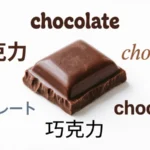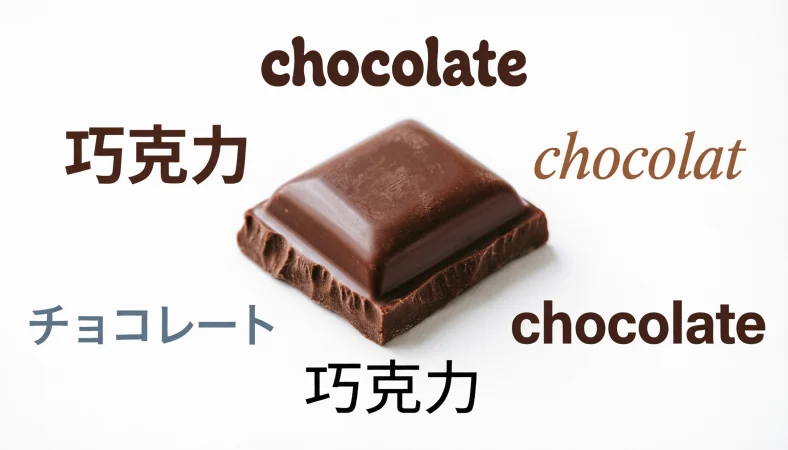
Chocolate is one of the world’s most familiar foods, but the word for it changes from language to language.
In some languages, it sounds remarkably close to English, while in others, the spelling and pronunciation are quite different.
If you are searching for chocolate in different languages, this guide gives you 70 translations in one easy-to-scan table.
You will find the native word, a simple English pronunciation, a practical example sentence, and the English meaning of each example.
if you are learning a language, traveling, creating multilingual content, or simply curious about chocolate around the world, this list makes it easy to discover how people say this popular word in different cultures.
Chocolate in All Languages: 70 Translations
The table below answers the common search query how to say chocolate in different languages. Pronunciations are simplified English approximations designed for learners rather than formal phonetic transcriptions.
| # | Language | Native phrase | Easy English pronunciation | Example sentence | English meaning |
|---|---|---|---|---|---|
| 1 | English | chocolate | CHOK-lit | I love chocolate. | I love chocolate. |
| 2 | Spanish | chocolate | cho-ko-LAH-teh | Me gusta el chocolate. | I like chocolate. |
| 3 | French | chocolat | sho-ko-LAH | J’aime le chocolat. | I like chocolate. |
| 4 | German | Schokolade | sho-ko-LAH-duh | Ich liebe Schokolade. | I love chocolate. |
| 5 | Italian | cioccolato | chok-ko-LAH-toh | Mi piace il cioccolato. | I like chocolate. |
| 6 | Portuguese | chocolate | sho-ko-LAH-teh | Eu adoro chocolate. | I love chocolate. |
| 7 | Dutch | chocolade | sho-ko-LAH-duh | Ik hou van chocolade. | I love chocolate. |
| 8 | Afrikaans | sjokolade | sho-ko-LAH-duh | Ek hou van sjokolade. | I love chocolate. |
| 9 | Swedish | choklad | SHOOK-lahd | Jag gillar choklad. | I like chocolate. |
| 10 | Norwegian | sjokolade | sho-ko-LAH-duh | Jeg liker sjokolade. | I like chocolate. |
| 11 | Danish | chokolade | sho-ko-LAH-duh | Jeg elsker chokolade. | I love chocolate. |
| 12 | Finnish | suklaa | SOOK-laa | Pidän suklaasta. | I like chocolate. |
| 13 | Icelandic | súkkulaði | SOOK-oo-lah-thi | Mér finnst súkkulaði gott. | I like chocolate. |
| 14 | Irish | seacláid | SHAK-layd | Is maith liom seacláid. | I like chocolate. |
| 15 | Welsh | siocled | SHOK-led | Rwy’n hoffi siocled. | I like chocolate. |
| 16 | Scottish Gaelic | teòclaid | CHYOH-klatch | Is toil leam teòclaid. | I like chocolate. |
| 17 | Polish | czekolada | cheh-ko-LAH-dah | Lubię czekoladę. | I like chocolate. |
| 18 | Czech | čokoláda | CHOK-oh-LAH-dah | Mám rád čokoládu. | I like chocolate. |
| 19 | Slovak | čokoláda | CHOK-oh-LAH-dah | Mám rád čokoládu. | I like chocolate. |
| 20 | Slovenian | čokolada | chok-oh-LAH-dah | Rad imam čokolado. | I like chocolate. |
| 21 | Croatian | čokolada | chok-oh-LAH-dah | Volim čokoladu. | I love chocolate. |
| 22 | Serbian | чоколада | chok-oh-LAH-dah | Волим чоколаду. | I love chocolate. |
| 23 | Bulgarian | шоколад | sho-ko-LAHD | Обичам шоколад. | I love chocolate. |
| 24 | Macedonian | чоколадо | cho-ko-LAH-doh | Сакам чоколадо. | I love chocolate. |
| 25 | Russian | шоколад | sho-ko-LAHT | Я люблю шоколад. | I love chocolate. |
| 26 | Ukrainian | шоколад | sho-ko-LAHD | Я люблю шоколад. | I love chocolate. |
| 27 | Belarusian | шакалад | sha-ka-LAHD | Я люблю шакалад. | I love chocolate. |
| 28 | Lithuanian | šokoladas | sho-ko-LAH-das | Aš mėgstu šokoladą. | I like chocolate. |
| 29 | Latvian | šokolāde | sho-ko-LAA-deh | Man garšo šokolāde. | I like chocolate. |
| 30 | Estonian | šokolaad | SHO-ko-laad | Mulle meeldib šokolaad. | I like chocolate. |
| 31 | Hungarian | csokoládé | CHO-ko-LAA-day | Szeretem a csokoládét. | I love chocolate. |
| 32 | Romanian | ciocolată | cho-ko-LAH-tuh | Îmi place ciocolata. | I like chocolate. |
| 33 | Albanian | çokollatë | cho-koh-LAH-teh | Më pëlqen çokollata. | I like chocolate. |
| 34 | Greek | σοκολάτα | so-ko-LAH-ta | Μου αρέσει η σοκολάτα. | I like chocolate. |
| 35 | Turkish | çikolata | chee-ko-la-TAH | Çikolatayı seviyorum. | I love chocolate. |
| 36 | Azerbaijani | şokolad | sho-ko-LAHD | Mən şokoladı sevirəm. | I love chocolate. |
| 37 | Armenian | շոկոլադ | sho-ko-LAHD | Ես սիրում եմ շոկոլադ։ | I love chocolate. |
| 38 | Georgian | შოკოლადი | sho-ko-LA-di | მე შოკოლადი მიყვარს. | I love chocolate. |
| 39 | Persian | شکلات | sho-ko-LAAT | من شکلات دوست دارم. | I like chocolate. |
| 40 | Arabic | شوكولاتة | shoo-koo-LAA-tah | أحب الشوكولاتة. | I love chocolate. |
| 41 | Hebrew | שוקולד | sho-ko-LAD | אני אוהב שוקולד. | I love chocolate. |
| 42 | Hindi | चॉकलेट | CHOK-let | मुझे चॉकलेट पसंद है। | I like chocolate. |
| 43 | Urdu | چاکلیٹ | CHAAK-lit | مجھے چاکلیٹ پسند ہے۔ | I like chocolate. |
| 44 | Bengali | চকলেট | CHOK-let | আমি চকলেট পছন্দ করি। | I like chocolate. |
| 45 | Punjabi | ਚਾਕਲੇਟ | CHAAK-let | ਮੈਨੂੰ ਚਾਕਲੇਟ ਪਸੰਦ ਹੈ। | I like chocolate. |
| 46 | Gujarati | ચોકલેટ | CHOK-let | મને ચોકલેટ ગમે છે. | I like chocolate. |
| 47 | Marathi | चॉकलेट | CHOK-let | मला चॉकलेट आवडते. | I like chocolate. |
| 48 | Nepali | चकलेट | CHAK-let | मलाई चकलेट मन पर्छ। | I like chocolate. |
| 49 | Tamil | சாக்லேட் | SAAK-let | எனக்கு சாக்லேட் பிடிக்கும். | I like chocolate. |
| 50 | Telugu | చాక్లెట్ | CHAAK-let | నాకు చాక్లెట్ ఇష్టం. | I like chocolate. |
| 51 | Malayalam | ചോക്കലേറ്റ് | CHOK-ka-layt | എനിക്ക് ചോക്കലേറ്റ് ഇഷ്ടമാണ്. | I like chocolate. |
| 52 | Kannada | ಚಾಕೊಲೇಟ್ | CHAA-ko-layt | ನನಗೆ ಚಾಕೊಲೇಟ್ ಇಷ್ಟ. | I like chocolate. |
| 53 | Sinhala | චොකලට් | CHO-ka-lat | මම චොකලට් වලට කැමතියි. | I like chocolate. |
| 54 | Thai | ช็อกโกแลต | chok-go-laet | ฉันชอบช็อกโกแลต | I like chocolate. |
| 55 | Vietnamese | sô cô la | SOH koh lah | Tôi thích sô cô la. | I like chocolate. |
| 56 | Indonesian | cokelat | cho-ke-LAHT | Saya suka cokelat. | I like chocolate. |
| 57 | Malay | coklat | CHOK-laht | Saya suka coklat. | I like chocolate. |
| 58 | Filipino (Tagalog) | tsokolate | tso-ko-LAH-teh | Gusto ko ang tsokolate. | I like chocolate. |
| 59 | Japanese | チョコレート | cho-ko-RAY-toh | チョコレートが好きです。 | I like chocolate. |
| 60 | Korean | 초콜릿 | cho-kol-lit | 저는 초콜릿을 좋아해요. | I like chocolate. |
| 61 | Mandarin Chinese | 巧克力 | chyaow-kuh-lee | 我喜欢巧克力。 | I like chocolate. |
| 62 | Swahili | chokoleti | cho-ko-LEH-tee | Ninapenda chokoleti. | I love chocolate. |
| 63 | Somali | shukulaato | shoo-koo-LAA-toh | Waxaan jeclahay shukulaato. | I like chocolate. |
| 64 | Zulu | ushokoledi | oo-sho-ko-LEH-dee | Ngiyawuthanda ushokoledi. | I like chocolate. |
| 65 | Xhosa | itshokholethi | ee-tsho-kho-LEH-tee | Ndiyayithanda itshokholethi. | I like chocolate. |
| 66 | Shona | chokoreti | cho-ko-REH-tee | Ndinoda chokoreti. | I like chocolate. |
| 67 | Sesotho | tsokolate | tso-ko-LAH-teh | Ke rata tsokolate. | I like chocolate. |
| 68 | Haitian Creole | chokola | sho-ko-LAH | Mwen renmen chokola. | I love chocolate. |
| 69 | Esperanto | ĉokolado | cho-ko-LAH-doh | Mi ŝatas ĉokoladon. | I like chocolate. |
| 70 | Basque | txokolatea | cho-ko-LAH-teh | Txokolatea gustatzen zait. | I like chocolate. |
What Does “Chocolate” Look Like Around the World?
One interesting feature of these chocolate translations is how many languages have a word that sounds somewhat similar to chocolate in English.
Spanish, Portuguese, French, Italian, German, Dutch, Swedish, Turkish, Japanese, Korean, and many other languages use forms that reflect the word’s long international journey.
Other languages have adapted the word to their own spelling and sound systems. For example, Mandarin uses 巧克力, while Japanese uses チョコレート and Korean uses 초콜릿.
This makes chocolate a useful vocabulary word for language learners because it provides an easy way to notice differences in pronunciation, writing systems, and word formation.
How to Say Chocolate in Different Languages
If you want a quick answer to how to say chocolate in different languages, focus first on the languages you are most likely to use.
For example:
- Spanish: chocolate
- French: chocolat
- German: Schokolade
- Italian: cioccolato
- Portuguese: chocolate
- Russian: шоколад
- Arabic: شوكولاتة
- Hindi: चॉकलेट
- Japanese: チョコレート
- Korean: 초콜릿
- Mandarin Chinese: 巧克力
- Turkish: çikolata
- Swahili: chokoleti
The pronunciation can change considerably even when the written word looks familiar. The simple English pronunciation column above is therefore useful for casual learning and travel.
Chocolate Translations for Travel and Conversation
Knowing the local word for chocolate can be useful when ordering food, shopping, reading menus, or talking about desserts.
For example, if you are visiting France, knowing chocolat can help you recognize chocolate products on menus and packaging. In Japan, チョコレート is the common written form you are likely to encounter. In Spanish-speaking countries, chocolate is immediately recognizable.
When speaking with native speakers, remember that the pronunciation guide in this article is only an English-friendly approximation. Native pronunciation may vary by country, region, accent, and speaking speed.
Why Is Chocolate Similar in So Many Languages?
Chocolate has traveled across continents and cultures for centuries. As the food became internationally popular, languages borrowed, adapted, and reshaped the word.
The similarities are especially noticeable across European languages, while languages using different writing systems often represent the word according to their own phonetic and spelling conventions.
Chocolate in Different Languages: Quick Learning Tips
Learning 70 translations at once can seem difficult, but grouping similar words makes memorization easier.
Group 1: Very similar forms
Several languages use words that are easy for English speakers to recognize:
- English: chocolate
- Spanish: chocolate
- Portuguese: chocolate
- French: chocolat
- Italian: cioccolato
- Dutch: chocolade
- German: Schokolade
Group 2: Slavic-language forms
Many Slavic languages have closely related versions:
- Polish: czekolada
- Czech: čokoláda
- Slovak: čokoláda
- Croatian: čokolada
- Serbian: чоколада
- Bulgarian: шоколад
- Russian: шоколад
- Ukrainian: шоколад
Group 3: Asian-language forms
Asian languages often adapt the word to their own writing systems:
- Hindi: चॉकलेट
- Urdu: چاکلیٹ
- Bengali: চকলেট
- Japanese: チョコレート
- Korean: 초콜릿
- Mandarin Chinese: 巧克力
- Thai: ช็อกโกแลต
- Vietnamese: sô cô la
Common Uses of the Word Chocolate
The word is usually used as a noun, but its exact grammatical behavior depends on the language.
You may see it used when talking about:
- Chocolate bars
- Chocolate desserts
- Hot chocolate
- Chocolate cake
- Chocolate ice cream
- Dark chocolate
- Milk chocolate
- White chocolate
- Chocolate flavor
- Chocolate gifts
When learning chocolate translations, it is useful to learn a short sentence rather than memorizing the individual word alone. A complete sentence helps you understand how the word functions naturally.
Frequently Asked Questions
1. How do you say chocolate in different languages?
“Chocolate” has different forms across languages. Examples include chocolate in Spanish, chocolat in French, Schokolade in German, cioccolato in Italian, шоколад in Russian, チョコレート in Japanese, and 巧克力 in Mandarin Chinese.
2. What is chocolate called in 70 languages?
Chocolate can be translated into many different forms, including chocolate, chocolat, Schokolade, cioccolato, čokolada, шоколад, çikolata, شوكولاتة, चॉकलेट, チョコレート, 초콜릿, and many others. The complete 70-language list is provided above.
3. Is the word chocolate the same in every language?
No. Some languages have very similar forms, while others use substantially different spellings or writing systems. Pronunciation can also differ even when two words look similar.
4. How do you pronounce chocolate in different languages?
There is no single pronunciation because each language has its own sounds and pronunciation rules. The table above provides easy English pronunciation guides for all 70 translations.
5. Which languages use a word similar to “chocolate”?
Many European and other languages use forms that resemble the English word, including Spanish chocolate, French chocolat, Portuguese chocolate, Italian cioccolato, German Schokolade, Dutch chocolade, Turkish çikolata, and several Slavic-language forms.
Conclusion
Learning chocolate in different languages is a simple and enjoyable way to explore vocabulary around the world.
Use the 70-language table as a quick reference for travel, language learning, multilingual writing, or simple cultural exploration.
Once you learn the word for chocolate, try using it in a complete sentence to make the vocabulary easier to remember.

I am Danny James, an Administrator at LingoHives, passionate about languages, communication, and cultural diversity. I enjoy helping people discover languages, understand words, and connect with different cultures through simple, useful, and engaging content.