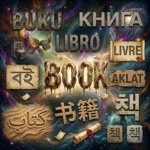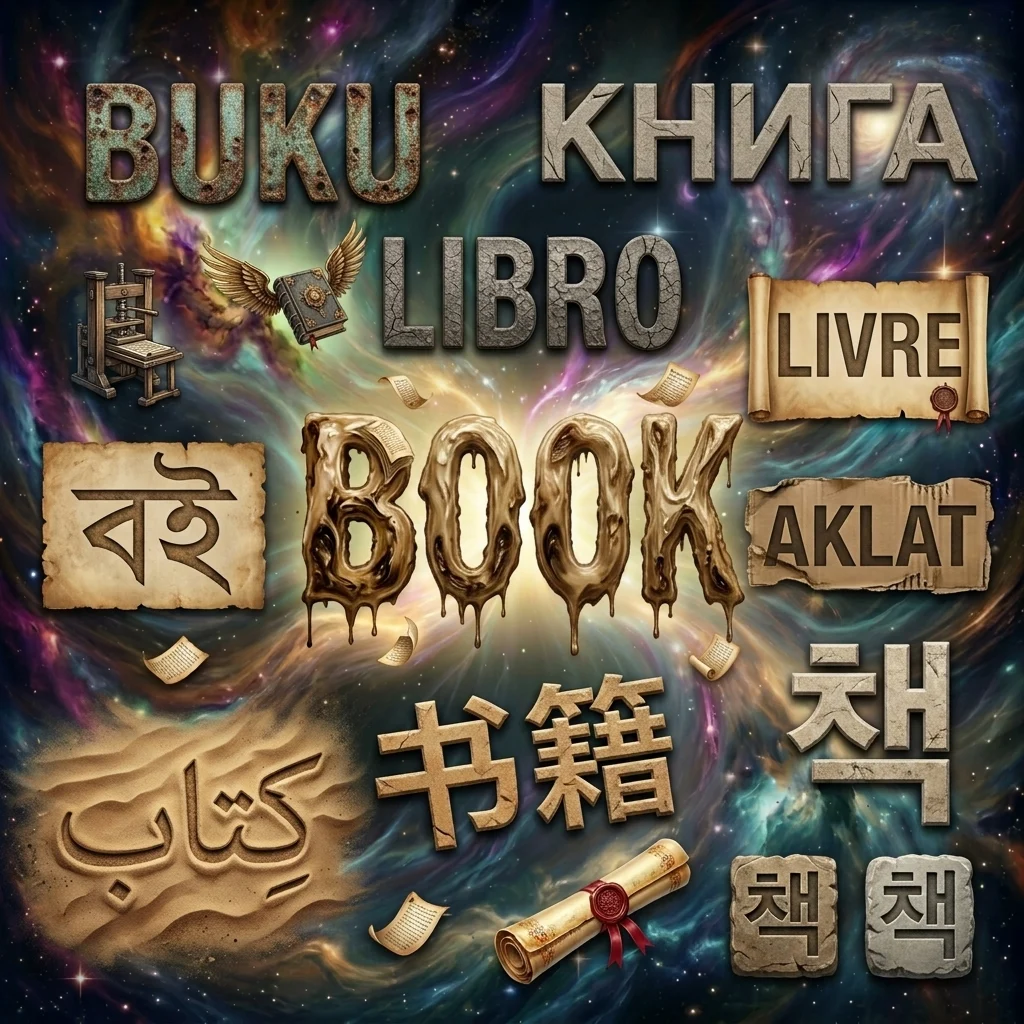
A book is more than a collection of pages. It is a source of knowledge, imagination, inspiration, and adventure.
If you enjoy reading novels, studying new subjects, or learning foreign vocabulary, discovering how to say “book” in different languages is a simple way to explore cultures around the world.
The word “book” has different names across languages, from libro in Spanish to livre in French and Buch in German.
Some languages use unique writing systems, while others share similar words because of historical and cultural connections.
In this guide, you will learn how to say book in different languages, explore 70 book translations, and practice each word through a short, everyday example sentence.
The table includes native words, easy English pronunciations, and English meanings to make learning straightforward.
Book in Different Languages: Quick Overview
Here are some popular translations of the word “book”:
| Language | Word for Book |
|---|---|
| English | Book |
| Spanish | Libro |
| French | Livre |
| German | Buch |
| Italian | Libro |
| Portuguese | Livro |
| Dutch | Boek |
| Arabic | كتاب (Kitāb) |
| Hindi | किताब (Kitāb) |
| Chinese (Mandarin) | 书 (Shū) |
| Japanese | 本 (Hon) |
| Korean | 책 (Chaek) |
| Russian | Книга (Kniga) |
| Turkish | Kitap |
| Urdu | کتاب (Kitaab) |
These words are useful starting points for anyone interested in languages, travel, reading, or international communication.
How to Say Book in Different Languages: 70 Translations
The following table presents book in 70 different languages, with the native word, a learner-friendly pronunciation, and an example sentence.
Pronunciations are approximate English-language guides rather than exact phonetic transcriptions. Some languages change the form of a word depending on grammar, number, or context. The examples use common, natural ways to talk about books.
| No. | Language | Native Word | Easy Pronunciation | Example Sentence | English Meaning |
|---|---|---|---|---|---|
| 1 | English | Book | Book | This book is interesting. | This book is interesting. |
| 2 | Spanish | Libro | LEE-broh | Este libro es interesante. | This book is interesting. |
| 3 | French | Livre | LEE-vruh | Ce livre est intéressant. | This book is interesting. |
| 4 | German | Buch | Bookh | Dieses Buch ist interessant. | This book is interesting. |
| 5 | Italian | Libro | LEE-broh | Questo libro è interessante. | This book is interesting. |
| 6 | Portuguese | Livro | LEE-vroo | Este livro é interessante. | This book is interesting. |
| 7 | Dutch | Boek | Book | Dit boek is interessant. | This book is interesting. |
| 8 | Afrikaans | Boek | Book | Hierdie boek is interessant. | This book is interesting. |
| 9 | Swedish | Bok | Book | Den här boken är intressant. | This book is interesting. |
| 10 | Norwegian | Bok | Book | Denne boken er interessant. | This book is interesting. |
| 11 | Danish | Bog | Boh | Denne bog er interessant. | This book is interesting. |
| 12 | Icelandic | Bók | Boak | Þessi bók er áhugaverð. | This book is interesting. |
| 13 | Finnish | Kirja | KEER-yah | Tämä kirja on kiinnostava. | This book is interesting. |
| 14 | Estonian | Raamat | RAA-mat | See raamat on huvitav. | This book is interesting. |
| 15 | Latvian | Grāmata | GRAA-ma-ta | Šī grāmata ir interesanta. | This book is interesting. |
| 16 | Lithuanian | Knyga | KNEE-ga | Ši knyga įdomi. | This book is interesting. |
| 17 | Polish | Książka | KSHYONSH-ka | Ta książka jest ciekawa. | This book is interesting. |
| 18 | Czech | Kniha | KNEE-ha | Tato kniha je zajímavá. | This book is interesting. |
| 19 | Slovak | Kniha | KNEE-ha | Táto kniha je zaujímavá. | This book is interesting. |
| 20 | Slovenian | Knjiga | KNEE-ga | Ta knjiga je zanimiva. | This book is interesting. |
| 21 | Croatian | Knjiga | KNEE-ga | Ova knjiga je zanimljiva. | This book is interesting. |
| 22 | Serbian | Књига | KNYEE-ga | Ова књига је занимљива. | This book is interesting. |
| 23 | Bosnian | Knjiga | KNEE-ga | Ova knjiga je zanimljiva. | This book is interesting. |
| 24 | Bulgarian | Книга | KNEE-ga | Тази книга е интересна. | This book is interesting. |
| 25 | Macedonian | Книга | KNEE-ga | Оваа книга е интересна. | This book is interesting. |
| 26 | Russian | Книга | KNEE-ga | Эта книга интересная. | This book is interesting. |
| 27 | Ukrainian | Книга | KNEE-ha | Ця книга цікава. | This book is interesting. |
| 28 | Belarusian | Кніга | KNEE-ha | Гэтая кніга цікавая. | This book is interesting. |
| 29 | Greek | Βιβλίο | vee-VLEE-oh | Αυτό το βιβλίο είναι ενδιαφέρον. | This book is interesting. |
| 30 | Romanian | Carte | KAR-teh | Această carte este interesantă. | This book is interesting. |
| 31 | Hungarian | Könyv | KURNV | Ez a könyv érdekes. | This book is interesting. |
| 32 | Albanian | Libër | LEE-buhr | Ky libër është interesant. | This book is interesting. |
| 33 | Turkish | Kitap | kee-TAP | Bu kitap ilginç. | This book is interesting. |
| 34 | Azerbaijani | Kitab | kee-TAB | Bu kitab maraqlıdır. | This book is interesting. |
| 35 | Uzbek | Kitob | kee-TOB | Bu kitob qiziqarli. | This book is interesting. |
| 36 | Kazakh | Кітап | kee-TAP | Бұл кітап қызықты. | This book is interesting. |
| 37 | Kyrgyz | Китеп | kee-TEP | Бул китеп кызыктуу. | This book is interesting. |
| 38 | Tajik | Китоб | kee-TOB | Ин китоб ҷолиб аст. | This book is interesting. |
| 39 | Persian | کتاب | ke-TAB | این کتاب جالب است. | This book is interesting. |
| 40 | Arabic | كتاب | kee-TAB | هذا الكتاب ممتع. | This book is interesting. |
| 41 | Hebrew | ספר | SEH-fer | הספר הזה מעניין. | This book is interesting. |
| 42 | Urdu | کتاب | ki-TAAB | یہ کتاب دلچسپ ہے۔ | This book is interesting. |
| 43 | Hindi | किताब | ki-TAAB | यह किताब दिलचस्प है। | This book is interesting. |
| 44 | Bengali | বই | BOI | এই বইটি মজার। | This book is interesting. |
| 45 | Punjabi | ਕਿਤਾਬ | ki-TAAB | ਇਹ ਕਿਤਾਬ ਦਿਲਚਸਪ ਹੈ। | This book is interesting. |
| 46 | Gujarati | પુસ્તક | pus-TAK | આ પુસ્તક રસપ્રદ છે. | This book is interesting. |
| 47 | Marathi | पुस्तक | pus-TAK | हे पुस्तक मनोरंजक आहे. | This book is interesting. |
| 48 | Nepali | किताब | ki-TAAB | यो किताब रोचक छ। | This book is interesting. |
| 49 | Sinhala | පොත | PO-ta | මේ පොත රසවත්. | This book is interesting. |
| 50 | Tamil | புத்தகம் | puth-tha-GAM | இந்தப் புத்தகம் சுவாரசியமானது. | This book is interesting. |
| 51 | Telugu | పుస్తకం | PUS-ta-kam | ఈ పుస్తకం ఆసక్తికరంగా ఉంది. | This book is interesting. |
| 52 | Kannada | ಪುಸ್ತಕ | PUS-ta-ka | ಈ ಪುಸ್ತಕ ಆಸಕ್ತಿದಾಯಕವಾಗಿದೆ. | This book is interesting. |
| 53 | Malayalam | പുസ്തകം | pus-THA-kam | ഈ പുസ്തകം രസകരമാണ്. | This book is interesting. |
| 54 | Thai | หนังสือ | nang-SUE | หนังสือเล่มนี้น่าสนใจ | This book is interesting. |
| 55 | Lao | ປຶ້ມ | PUM | ປຶ້ມນີ້ໜ້າສົນໃຈ | This book is interesting. |
| 56 | Khmer | សៀវភៅ | see-uh-VOW | សៀវភៅនេះគួរឱ្យចាប់អារម្មណ៍។ | This book is interesting. |
| 57 | Vietnamese | Sách | Sahk | Cuốn sách này rất thú vị. | This book is interesting. |
| 58 | Indonesian | Buku | BOO-koo | Buku ini menarik. | This book is interesting. |
| 59 | Malay | Buku | BOO-koo | Buku ini menarik. | This book is interesting. |
| 60 | Filipino (Tagalog) | Aklat | AK-lat | Interesante ang aklat na ito. | This book is interesting. |
| 61 | Chinese (Mandarin) | 书 | Shū | 这本书很有趣。 | This book is interesting. |
| 62 | Japanese | 本 | Hon | この本は面白いです。 | This book is interesting. |
| 63 | Korean | 책 | Chaek | 이 책은 재미있어요. | This book is interesting. |
| 64 | Mongolian | Ном | Nom | Энэ ном сонирхолтой. | This book is interesting. |
| 65 | Burmese | စာအုပ် | sa-OHP | ဒီစာအုပ်က စိတ်ဝင်စားဖို့ကောင်းတယ်။ | This book is interesting. |
| 66 | Swahili | Kitabu | kee-TAH-boo | Kitabu hiki kinavutia. | This book is interesting. |
| 67 | Amharic | መጽሐፍ | met-sahf | ይህ መጽሐፍ አስደሳች ነው። | This book is interesting. |
| 68 | Yoruba | Ìwé | ee-WEH | Ìwé yìí dùn mọ́ni. | This book is interesting. |
| 69 | Hausa | Littafi | lee-TAH-fee | Wannan littafin yana da ban sha’awa. | This book is interesting. |
| 70 | Zulu | Incwadi | in-CHWAH-dee | Le ncwadi iyathakazelisa. | This book is interesting. |
Note: The example sentences are intended for everyday vocabulary practice. Natural phrasing can vary by dialect and context, and some pronunciations are simplified for English speakers.
Why Does the Word “Book” Differ Around the World?
The word for a book reflects the history and structure of each language. Some languages share related vocabulary, while others developed different words through their own cultural traditions.
For example, Spanish and Italian both use libro, while German uses Buch and English uses book. Hindi and Urdu commonly use kitab, a word with historical roots in Arabic. These similarities and differences make book translations an interesting part of language learning.
Writing systems also influence how words look. Japanese uses 本, Chinese uses 书, and Korean uses 책. Although these words look different, they all refer to the familiar object people read for information or enjoyment.
Book in All Languages: Words You Can Learn First
If you want to memorize book in all languages, start with words that are short, frequently used, or similar to words you already know.
- Libro: Spanish and Italian.
- Livre: French.
- Buch: German.
- Bok: Swedish and Norwegian.
- Kitab: Common in Arabic, Persian, Urdu, and Azerbaijani, with differences in pronunciation and usage.
- Buku: Indonesian and Malay.
- Shū: Mandarin Chinese.
- Hon: Japanese.
- Chaek: Korean.
Learning a few words at a time is more effective than trying to memorize all 70 translations in one sitting.
How to Use the Word “Book” in Everyday Conversations
Knowing a translation is useful, but understanding how it works in a sentence helps you remember it. Practice these common situations:
Talking about reading: Learn how to say “I am reading a book” in your target language.
Asking for a book: Practice asking “Where is the book?” when visiting a library or bookstore.
Sharing a recommendation: Learn how to describe a book as interesting, exciting, useful, or easy to read.
Shopping for books: Learn vocabulary for new books, old books, children’s books, and schoolbooks.
A useful learning technique is to write one short sentence with each new word. Repeating the word in a real-life context makes it easier to recall later.
Are “Book,” “Textbook,” and “Notebook” the Same in Every Language?
No. The general word for a book does not always mean a textbook, notebook, or other type of publication.
- Book: A general term for a bound or printed work, including novels, biographies, and nonfiction.
- Textbook: A book designed to teach a particular subject.
- Notebook: A book of blank or lined pages used for writing notes.
- E-book: A digital book read on an electronic device.
- Storybook: A book containing stories, often intended for children.
When learning book translations, check whether a word refers to a book in general or a specific kind of book. This distinction is particularly helpful when shopping, studying, or asking for reading material abroad.
Tips for Memorizing Book Translations Around the World
You do not need to learn all 70 words at once. A simple study routine can help you remember them.
- Learn five words daily. Start with languages you are most interested in.
- Say each word aloud. Use the pronunciation guide as a starting point.
- Write an example sentence. Connecting the word with a sentence gives it context.
- Group similar words together. For example, compare libro, livre, and libro across Romance languages.
- Review regularly. Test yourself the next day and again a week later.
- Learn the native script. When possible, recognize the original spelling instead of relying only on English pronunciation.
These steps help turn a vocabulary list into practical language knowledge.
Frequently Asked Questions
1. How do you say “book” in different languages?
The word for “book” varies by language. Examples include libro in Spanish, livre in French, Buch in German, kitab in Arabic, kitab in Urdu, hon in Japanese, and chaek in Korean.
2. What is the most common translation of “book” around the world?
There is no single translation used everywhere. Words such as libro, livre, Buch, kitab, and buku are used in different language communities. The correct choice depends on the language being spoken.
3. How do you say “book” in Asian languages?
Some examples are shū (书) in Mandarin Chinese, hon (本) in Japanese, chaek (책) in Korean, kitab (किताब) in Hindi, sách in Vietnamese, and buku in Indonesian.
4. Why do some languages use similar words for “book”?
Similar words can result from shared linguistic ancestry, borrowing through trade and cultural contact, or historical connections between languages. However, similar spelling does not always mean two words have the same origin.
5. How can I learn the word “book” in 70 languages easily?
Begin with five words a day, practice their pronunciations, and use each in a short sentence. Review older words regularly and learn the native writing system where possible. This approach makes a large vocabulary list easier to manage.
Conclusion
Learning how to say “book” in different languages is a simple and enjoyable way to explore the world’s linguistic diversity. From libro and livre to kitab, shū, and hon, each translation offers a small insight into the language and culture behind it.
Use this collection of 70 book translations as a reference for language learning, travel, reading, or vocabulary practice. Start with a few words, practice them in everyday sentences, and gradually expand your knowledge of languages around the world.

I am Jimmy Michael, a language enthusiast and writer passionate about exploring different languages, words, and cultures. I create simple, useful content that helps readers understand languages better and discover new ways to communicate globally.