Help vs Help To: What Is the Difference and When Should You Use Each?

English learners often wonder whether to say “help me” or “help me to,” and whether both expressions are grammatically correct. ...
Read more
Nicks vs. Nix: Meaning, Difference, and How to Use Each Word Correctly
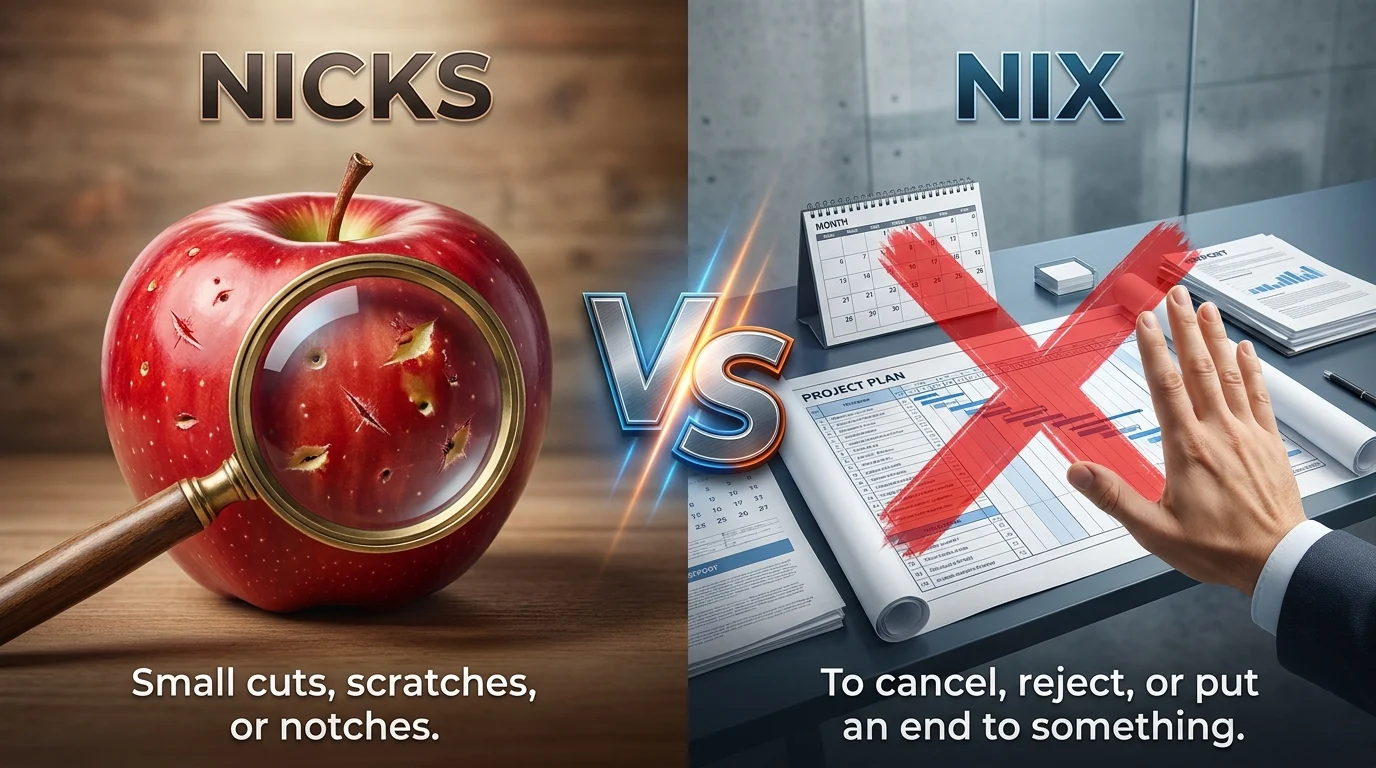
The English words nicks and nix may look and sound similar, but they have different meanings and grammatical uses. Understanding ...
Read more
Bazaar vs Bizarre: Meaning, Difference, Examples, and How to Use Them Correctly

The words bazaar and bizarre look and sound similar, but they have completely different meanings. Because their spelling and pronunciation ...
Read more
Flesh Out vs Flush Out: Meaning, Difference, Examples, and How to Use Them Correctly

English contains many phrases that sound similar but have completely different meanings. “Flesh out” and “flush out” are two commonly ...
Read more
Adopt in Different Languages: “Adopt” in Languages the World
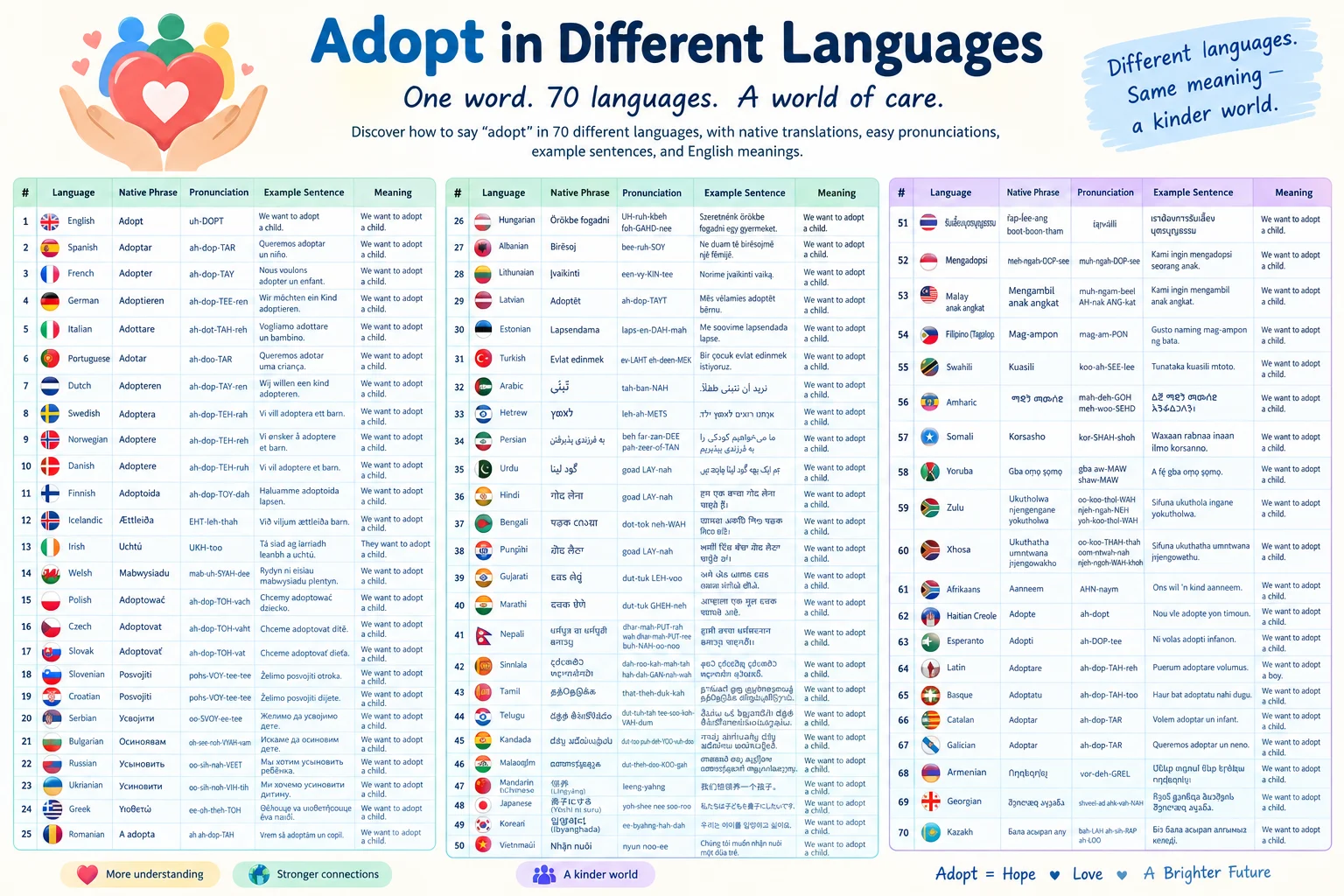
The word “adopt” has a meaningful place in everyday communication. It can describe welcoming a child into a family, taking ...
Read more
Advance in Different Languages: “Advance” Languages the World

The word “advance” has several meanings. It can describe moving forward, making progress, improving, moving ahead, or paying money before ...
Read more
Language in Different Languages: “Language” in the World
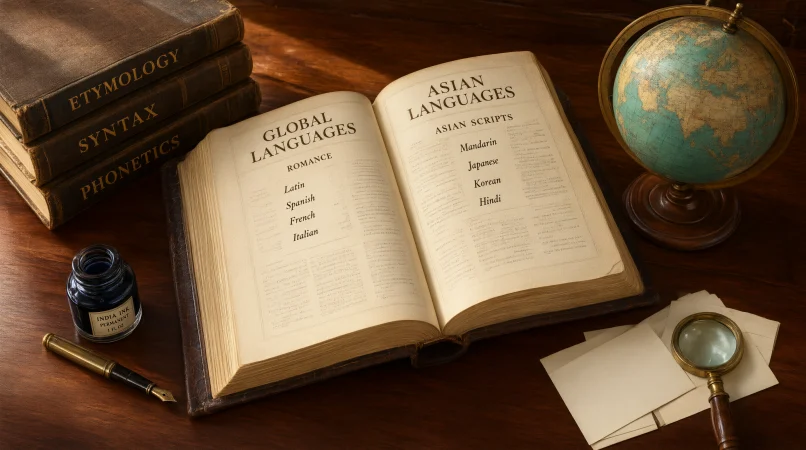
Language is one of the most important parts of human communication. It helps people share ideas, express emotions, preserve cultures, ...
Read more
Together in Different Languages: Translations From the World

The word “together” represents unity, friendship, love, teamwork, and the special bond people share. In this guide, you’ll discover together ...
Read more
Nice in Different Languages: 70 Ways to Say “Nice” Around the World

The word “nice” is a simple but powerful way to express kindness, appreciation, and admiration. You can use it to ...
Read more
Now in Different Languages: How to Say “Now” in 70 Languages Around the World

The word “now” is one of the most useful words in everyday communication. It helps us talk about the present ...
Read more