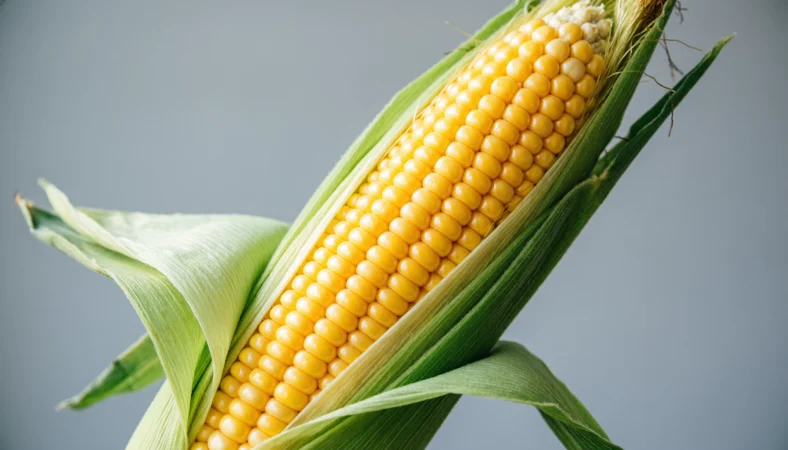
Want to know how to say corn in different languages? Corn, also known as maize in many English-speaking regions, is an everyday food and an important crop around the world.
Its name changes considerably from one language to another, from maíz in Spanish and maïs in French to jagung in Indonesian and makai in several South Asian languages.
if you are learning a new language, travelling, creating multilingual content, studying food vocabulary, or simply curious about corn translations, this guide gives you 70 useful examples in one place.
The table below shows the language, native word or phrase, an easy English pronunciation, a short real-life sentence, and the English meaning.
Pronunciations are simplified learning aids rather than exact phonetic transcriptions, so regional accents can differ.
Corn in Different Languages: 70 Translations
| # | Language | Native phrase | Easy English pronunciation | Example sentence | English meaning |
|---|---|---|---|---|---|
| 1 | English | Corn | korn | I bought fresh corn. | I bought fresh corn. |
| 2 | Spanish | Maíz | mah-EES | Compré maíz fresco. | I bought fresh corn. |
| 3 | French | Maïs | mah-EES | J’ai acheté du maïs frais. | I bought fresh corn. |
| 4 | German | Mais | mice | Ich habe frischen Mais gekauft. | I bought fresh corn. |
| 5 | Italian | Mais | mice | Ho comprato mais fresco. | I bought fresh corn. |
| 6 | Portuguese | Milho | MEEL-yoh | Comprei milho fresco. | I bought fresh corn. |
| 7 | Dutch | Maïs | mice | Ik heb verse maïs gekocht. | I bought fresh corn. |
| 8 | Russian | Кукуруза | koo-koo-ROO-zah | Я люблю кукурузу. | I love corn. |
| 9 | Arabic | ذرة | DHOOR-rah | أحب الذرة. | I like corn. |
| 10 | Hindi | मकई | muh-KAI | मुझे मकई पसंद है। | I like corn. |
| 11 | Urdu | مکئی | muh-KAI | مجھے مکئی پسند ہے۔ | I like corn. |
| 12 | Mandarin Chinese | 玉米 | yoo-MEE | 我喜欢玉米。 | I like corn. |
| 13 | Japanese | トウモロコシ | toh-moh-roh-KOH-shee | とうもろこしを食べます。 | I eat corn. |
| 14 | Korean | 옥수수 | ok-soo-soo | 저는 옥수수를 먹어요. | I eat corn. |
| 15 | Turkish | Mısır | muh-SUHR | Mısır seviyorum. | I like corn. |
| 16 | Greek | Καλαμπόκι | kah-lahm-BOH-kee | Μου αρέσει το καλαμπόκι. | I like corn. |
| 17 | Polish | Kukurydza | koo-koo-RID-zah | Lubię kukurydzę. | I like corn. |
| 18 | Swedish | Majs | mice | Jag äter majs. | I eat corn. |
| 19 | Norwegian | Mais | mice | Jeg liker mais. | I like corn. |
| 20 | Danish | Majs | mice | Jeg spiser majs. | I eat corn. |
| 21 | Finnish | Maissi | MYE-see | Syön maissia. | I eat corn. |
| 22 | Czech | Kukuřice | koo-koo-RZHEET-seh | Mám rád kukuřici. | I like corn. |
| 23 | Slovak | Kukurica | koo-koo-REET-sah | Mám rád kukuricu. | I like corn. |
| 24 | Hungarian | Kukorica | koo-koh-REET-sah | Szeretem a kukoricát. | I like corn. |
| 25 | Romanian | Porumb | poh-ROOMB | Îmi place porumbul. | I like corn. |
| 26 | Bulgarian | Царевица | tsah-reh-VEE-tsah | Обичам царевица. | I love corn. |
| 27 | Ukrainian | Кукурудза | koo-koo-ROOD-zah | Я люблю кукурудзу. | I love corn. |
| 28 | Hebrew | תירס | tee-RAHS | אני אוהב תירס. | I like corn. |
| 29 | Persian | ذرت | ZOH-rat | من ذرت دوست دارم. | I like corn. |
| 30 | Thai | ข้าวโพด | khao-PHOHT | ฉันชอบข้าวโพด | I like corn. |
| 31 | Vietnamese | Ngô | ngoh | Tôi ăn ngô. | I eat corn. |
| 32 | Indonesian | Jagung | jah-GOONG | Saya makan jagung. | I eat corn. |
| 33 | Malay | Jagung | jah-GOONG | Saya suka jagung. | I like corn. |
| 34 | Filipino | Mais | my-EES | Kumakain ako ng mais. | I am eating corn. |
| 35 | Swahili | Mahindi | mah-HIN-dee | Ninakula mahindi. | I am eating corn. |
| 36 | Zulu | Umbila | oom-BEE-lah | Ngiyawuthanda umbila. | I like corn. |
| 37 | Afrikaans | Mielies | MEE-lee-ees | Ek eet mielies. | I eat corn. |
| 38 | Icelandic | Maís | mice | Ég borða maís. | I eat corn. |
| 39 | Irish | Arbhar | AR-bhar | Ithim arbhar. | I eat corn. |
| 40 | Scottish Gaelic | Arbhar | AR-vur | Bidh mi ag ithe arbhair. | I eat corn. |
| 41 | Welsh | Ŷd | eeth | Rwy’n bwyta ŷd. | I eat corn. |
| 42 | Lithuanian | Kukurūzai | koo-koo-ROO-zai | Aš valgau kukurūzus. | I eat corn. |
| 43 | Latvian | Kukurūza | koo-koo-ROO-zah | Es ēdu kukurūzu. | I eat corn. |
| 44 | Estonian | Mais | mice | Ma söön maisi. | I eat corn. |
| 45 | Slovenian | Koruza | koh-ROO-zah | Jem koruzo. | I eat corn. |
| 46 | Croatian | Kukuruz | koo-koo-ROOZ | Volim kukuruz. | I like corn. |
| 47 | Serbian | Kukuruz | koo-koo-ROOZ | Volim kukuruz. | I like corn. |
| 48 | Bosnian | Kukuruz | koo-koo-ROOZ | Jedem kukuruz. | I am eating corn. |
| 49 | Albanian | Misër | MEE-suhr | Ha misër. | I eat corn. |
| 50 | Macedonian | Пченка | PCHEN-kah | Сакам пченка. | I like corn. |
| 51 | Georgian | სიმინდი | see-MEEN-dee | მე სიმინდს ვჭამ. | I am eating corn. |
| 52 | Armenian | Եգիպտացորեն | yeh-geep-tah-tso-REN | Ես եգիպտացորեն եմ ուտում։ | I am eating corn. |
| 53 | Bengali | ভুট্টা | BHOOT-tah | আমি ভুট্টা খাই। | I eat corn. |
| 54 | Tamil | சோளம் | SOH-lum | நான் சோளம் சாப்பிடுகிறேன். | I eat corn. |
| 55 | Telugu | మొక్కజొన్న | mok-kah-JON-nah | నేను మొక్కజొన్న తింటాను. | I eat corn. |
| 56 | Marathi | मका | muh-KAH | मी मका खातो. | I eat corn. |
| 57 | Gujarati | મકાઈ | muh-KAI | હું મકાઈ ખાઉં છું. | I eat corn. |
| 58 | Punjabi | ਮੱਕੀ | MUCK-ee | ਮੈਂ ਮੱਕੀ ਖਾਂਦਾ ਹਾਂ। | I eat corn. |
| 59 | Nepali | मकै | muh-KAI | म मकै खान्छु। | I eat corn. |
| 60 | Sinhala | බඩඉරිඟු | bah-dah-ee-RIN-goo | මම බඩඉරිඟු කනවා. | I eat corn. |
| 61 | Khmer | ពោត | poht | ខ្ញុំញ៉ាំពោត។ | I eat corn. |
| 62 | Lao | ເຂົ້າໂພດ | khao-PHOHT | ຂ້ອຍກິນເຂົ້າໂພດ. | I eat corn. |
| 63 | Mongolian | Эрдэнэ шиш | er-DEH-neh sheesh | Би эрдэнэ шиш иддэг. | I eat corn. |
| 64 | Haitian Creole | Mayi | mah-YEE | Mwen manje mayi. | I eat corn. |
| 65 | Esperanto | Maizo | my-EYE-zoh | Mi manĝas maizon. | I eat corn. |
| 66 | Azerbaijani | Qarğıdalı | qar-guh-dah-LUH | Mən qarğıdalı yeyirəm. | I eat corn. |
| 67 | Amharic | በቆሎ | beh-KOH-loh | በቆሎ እበላለሁ። | I eat corn. |
| 68 | Māori | Kānga | KAH-ngah | Ka kai au i te kānga. | I eat corn. |
| 69 | Guarani | Avatiky | ah-vah-tee-KEE | Akaru avatiky. | I eat corn. |
| 70 | Quechua | Choklo | CHOH-kloh | Choklota mikuni. | I eat corn. |
How to Say Corn in Different Languages
The easiest way to learn how to say corn in different languages is to group the words by region and practise them in short sentences.
Across Asia, you will encounter very different words. Mandarin uses 玉米, Japanese uses トウモロコシ, Korean uses 옥수수, Indonesian and Malay use jagung, while Hindi and Urdu commonly use मकई / مکئی.
Corn Around the World
Corn is not known by one universal word. The vocabulary reflects the languages and food traditions of different regions.
In Europe, forms such as maïs, Mais, majs, mais, kukurydza, kukuruz, kukurica, and kukuřice are common. In South and Southeast Asia, words such as makai, bhutta, jagung, ngô, and khao pod appear in everyday food vocabulary. Major dictionaries likewise list different terms across European, Asian, African, and other languages. LLogos Dictionary+1
Why Corn Has Different Names
Languages develop their own vocabulary for common foods, crops, and plants. Historical trade, migration, agriculture, and local food traditions can all influence terminology.
Tips for Learning Corn Translations
If you want to remember corn in all languages, do not try to memorize all 70 words at once.
- Start with five languages you use most often.
- Learn the native word together with a complete sentence.
- Group similar-looking words, such as Spanish maíz and French maïs.
- Practise the pronunciation aloud.
- Use the words when discussing food, shopping, cooking, or agriculture.
- Review a few translations every day rather than memorizing a large list once.
Short sentences are especially useful because they show how the word functions naturally rather than treating it as an isolated vocabulary item.
Corn Translations for Travel and Everyday Conversation
Knowing the local word for corn can be useful when reading menus, shopping in markets, discussing recipes, or asking about ingredients.
For example, travellers may encounter different words for corn depending on the country. Recognizing maíz, milho, jagung, mais, or kukuruz can make food-related conversations easier.
Remember that a word for maize may not always mean exactly the same prepared food. A language can distinguish between the whole plant, kernels, fresh sweet corn, cornmeal, or other corn products.
Frequently Asked Questions
1. How do you say corn in different languages?
The word for corn changes by language. Examples include maíz in Spanish, maïs in French, Mais in German, milho in Portuguese, 玉米 in Mandarin Chinese, トウモロコシ in Japanese, and jagung in Indonesian.
2. What is corn called in all languages?
There is no single word used for corn in every language. Each language has its own vocabulary, and some languages have multiple terms depending on region or context. broader cereal-related meaning same crop can have completely different names in different parts of the The table above provides 70 common examples.
3. Is corn the same as maize?
4. What is corn called in Asian languages?
Examples include 玉米 in Mandarin Chinese, トウモロコシ in Japanese, 옥수수 in Korean, मकई in Hindi, مکئی in Urdu, jagung in Indonesian and Malay, and ข้าวโพด in Thai.
5. Why are corn translations different around the world?
Languages develop vocabulary through their own histories, cultures, agriculture, and contact with other languages.
As a result, the same crop can have completely different names in different parts of the world.
Conclusion
Learning corn in different languages is a simple way to expand your vocabulary while discovering how different cultures a familiar food. From maíz and maïs to jagung, makai, and kukuruz, these 70 translations provide a practical starting point for language learners, travellers, food enthusiasts, and anyone interested in languages around the world.
For the best results, learn each translation with its example sentence and practise a few languages at a time.

I am Ashley Marie, a passionate language enthusiast who loves exploring different languages, cultures, words, and expressions. I enjoy sharing simple, useful language insights that help readers communicate confidently and discover the beauty of languages.