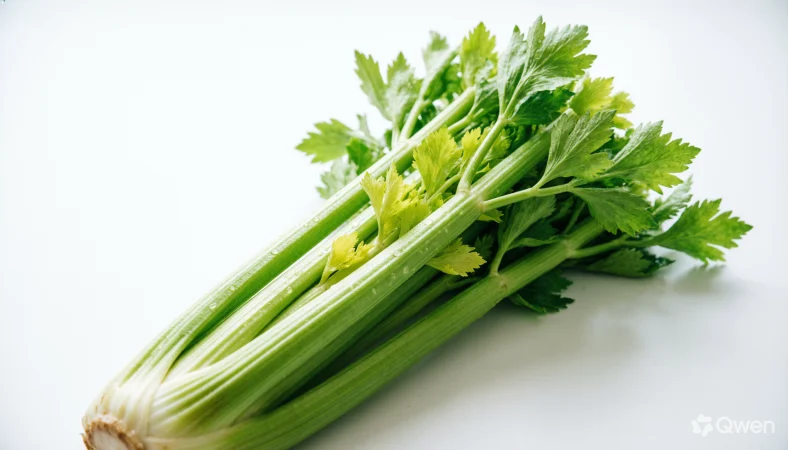
If you are looking for celery in different languages, this guide gives you 70 accurate translations in one easy-to-read table.
if you are learning a language, traveling, shopping for ingredients, writing multilingual content, or simply curious about food vocabulary, you can quickly find how to say celery around the world.
Below, you will find the celery translations in 70 languages, along with native phrases, easy English pronunciation, a practical example sentence, and the English meaning of each sentence.
Celery in All Languages: 70 Translations
The word for celery can vary considerably from one language to another. Some languages use a word closely related to the scientific or European term, while others have their own traditional vocabulary.
| # | Language | Native phrase | Easy English pronunciation | Example sentence | English meaning |
|---|---|---|---|---|---|
| 1 | English | celery | SELL-uh-ree | I added celery to the soup. | I added celery to the soup. |
| 2 | Spanish | apio | AH-pee-oh | Añadí apio a la sopa. | I added celery to the soup. |
| 3 | French | céleri | SAY-luh-ree | J’ai ajouté du céleri à la soupe. | I added celery to the soup. |
| 4 | German | Sellerie | ZELL-uh-ree | Ich habe Sellerie in die Suppe gegeben. | I added celery to the soup. |
| 5 | Italian | sedano | seh-DAH-no | Ho aggiunto il sedano alla zuppa. | I added celery to the soup. |
| 6 | Portuguese | aipo | EYE-poo | Adicionei aipo à sopa. | I added celery to the soup. |
| 7 | Dutch | selderij | SELL-duh-ray | Ik heb selderij aan de soep toegevoegd. | I added celery to the soup. |
| 8 | Swedish | selleri | SELL-uh-ree | Jag lade selleri i soppan. | I put celery in the soup. |
| 9 | Norwegian | selleri | SELL-uh-ree | Jeg la selleri i suppen. | I put celery in the soup. |
| 10 | Danish | selleri | SELL-uh-ree | Jeg kom selleri i suppen. | I put celery in the soup. |
| 11 | Finnish | selleri | SELL-uh-ree | Lisäsin selleriä keittoon. | I added celery to the soup. |
| 12 | Icelandic | sellerí | SELL-eh-ree | Ég bætti selleríi í súpuna. | I added celery to the soup. |
| 13 | Irish | soilire | SILL-uh-ruh | Chuir mé soilire sa anraith. | I put celery in the soup. |
| 14 | Welsh | seleri | seh-LEH-ree | Rhoddais seleri yn y cawl. | I put celery in the soup. |
| 15 | Scottish Gaelic | soilire | SOL-uh-ruh | Chuir mi soilire anns an t-sùgh. | I put celery in the soup. |
| 16 | Polish | seler | SELL-er | Dodałem seler do zupy. | I added celery to the soup. |
| 17 | Czech | celer | TSELL-er | Přidal jsem celer do polévky. | I added celery to the soup. |
| 18 | Slovak | zeler | ZELL-er | Pridal som zeler do polievky. | I added celery to the soup. |
| 19 | Slovenian | zelena | zeh-LEH-nah | Dodal sem zeleno v juho. | I added celery to the soup. |
| 20 | Croatian | celer | TSELL-er | Dodao sam celer u juhu. | I added celery to the soup. |
| 21 | Serbian | celer | TSELL-er | Dodao sam celer u supu. | I added celery to the soup. |
| 22 | Bosnian | celer | TSELL-er | Dodao sam celer u supu. | I added celery to the soup. |
| 23 | Bulgarian | целина | tseh-LEE-nah | Добавих целина към супата. | I added celery to the soup. |
| 24 | Macedonian | целер | TSEH-ler | Додадов целер во супата. | I added celery to the soup. |
| 25 | Russian | сельдерей | sel-deh-RYE | Я добавил сельдерей в супу. | I added celery to the soup. |
| 26 | Ukrainian | селера | seh-LEH-rah | Я додав селеру до супу. | I added celery to the soup. |
| 27 | Belarusian | салера | sah-LEH-rah | Я дадаў салеру ў суп. | I added celery to the soup. |
| 28 | Lithuanian | salieras | sah-lee-EH-rahs | Į sriubą įdėjau salierų. | I added celery to the soup. |
| 29 | Latvian | selerija | seh-LEH-ree-yah | Es pievienoju seleriju zupai. | I added celery to the soup. |
| 30 | Estonian | seller | SELL-er | Ma lisasin supile sellerit. | I added celery to the soup. |
| 31 | Romanian | țelină | TSEH-lee-nuh | Am adăugat țelină în supă. | I added celery to the soup. |
| 32 | Hungarian | zeller | ZELL-er | Zellert tettem a levesbe. | I put celery in the soup. |
| 33 | Greek | σέλινο | SEH-lee-no | Πρόσθεσα σέλινο στη σούπα. | I added celery to the soup. |
| 34 | Albanian | selino | seh-LEE-no | Shtova selino në supë. | I added celery to the soup. |
| 35 | Turkish | kereviz | keh-reh-VEEZ | Çorbaya kereviz ekledim. | I added celery to the soup. |
| 36 | Azerbaijani | kərəviz | keh-reh-VEEZ | Şorbaya kərəviz əlavə etdim. | I added celery to the soup. |
| 37 | Armenian | նեխուր | neh-KHOOR | Ես նեխուր ավելացրի ապուրին։ | I added celery to the soup. |
| 38 | Georgian | ნიახური | nee-ah-KHOO-ree | სუპს ნიახური დავამატე. | I added celery to the soup. |
| 39 | Persian | کرفس | KER-fess | من کرفس به سوپ اضافه کردم. | I added celery to the soup. |
| 40 | Arabic | كرفس | KAR-fas | أضفت الكرفس إلى الحساء. | I added celery to the soup. |
| 41 | Hebrew | סלרי | SELL-uh-ree | הוספתי סלרי למרק. | I added celery to the soup. |
| 42 | Hindi | अजवाइन | uh-JUH-wine | मैंने सूप में अजवाइन डाली। | I added celery to the soup. |
| 43 | Urdu | اجوائن | uh-JUH-wine | میں نے سوپ میں اجوائن ڈالی۔ | I added celery to the soup. |
| 44 | Bengali | সেলারি | seh-LAH-ree | আমি স্যুপে সেলারি দিয়েছি। | I added celery to the soup. |
| 45 | Punjabi | ਸੈਲਰੀ | seh-LAIR-ee | ਮੈਂ ਸੂਪ ਵਿੱਚ ਸੈਲਰੀ ਪਾਈ। | I put celery in the soup. |
| 46 | Gujarati | સેલરી | seh-LAIR-ee | મેં સૂપમાં સેલરી ઉમેરી. | I added celery to the soup. |
| 47 | Marathi | सेलरी | seh-LAIR-ee | मी सूपमध्ये सेलरी घातली. | I added celery to the soup. |
| 48 | Nepali | सेलरी | seh-LAIR-ee | मैले सुपमा सेलरी हालें। | I added celery to the soup. |
| 49 | Tamil | செலரி | seh-LAIR-ee | நான் சூப்பில் செலரி சேர்த்தேன். | I added celery to the soup. |
| 50 | Telugu | సెలరీ | seh-LAIR-ee | నేను సూప్లో సెలరీ వేశాను. | I added celery to the soup. |
| 51 | Kannada | ಸೆಲರಿ | seh-LAIR-ee | ನಾನು ಸೂಪ್ಗೆ ಸೆಲರಿ ಸೇರಿಸಿದೆ. | I added celery to the soup. |
| 52 | Malayalam | സെലറി | seh-LAIR-ee | ഞാൻ സൂപ്പിൽ സെലറി ചേർത്തു. | I added celery to the soup. |
| 53 | Sinhala | සැල්දරි | SAHL-dah-ree | මම සුප් එකට සැල්දරි එකතු කළා. | I added celery to the soup. |
| 54 | Chinese (Mandarin) | 芹菜 | qín cài | 我在汤里加了芹菜。 | I added celery to the soup. |
| 55 | Japanese | セロリ | serori | スープにセロリを入れました。 | I put celery in the soup. |
| 56 | Korean | 셀러리 | sell-eo-ri | 수프에 셀러리를 넣었어요. | I put celery in the soup. |
| 57 | Vietnamese | cần tây | kuhn tay | Tôi đã thêm cần tây vào súp. | I added celery to the soup. |
| 58 | Thai | ขึ้นฉ่าย | kheun-chai | ฉันใส่ขึ้นฉ่ายในซุป | I put celery in the soup. |
| 59 | Indonesian | seledri | seh-LEHD-ree | Saya menambahkan seledri ke sup. | I added celery to the soup. |
| 60 | Malay | saderi | sah-DEH-ree | Saya menambah saderi ke dalam sup. | I added celery to the soup. |
| 61 | Filipino | kintsay | KINT-sigh | Naglagay ako ng kintsay sa sopas. | I put celery in the soup. |
| 62 | Javanese | seledri | seh-LEHD-ree | Aku nambahake seledri ing sup. | I added celery to the soup. |
| 63 | Burmese | တရုတ်နံနံ | ta-YOTE nan-nan | ဟင်းချိုထဲမှာ တရုတ်နံနံ ထည့်တယ်။ | I put celery in the soup. |
| 64 | Khmer | សេឡេរី | seh-LAY-ree | ខ្ញុំបានដាក់សេឡេរីក្នុងស៊ុប។ | I put celery in the soup. |
| 65 | Lao | ເຊເລີຣີ | seh-LER-ee | ຂ້ອຍໃສ່ເຊເລີຣີໃນແກງ. | I put celery in the soup. |
| 66 | Swahili | celery | SELL-uh-ree | Niliweka celery kwenye supu. | I put celery in the soup. |
| 67 | Afrikaans | seldery | SELL-duh-ree | Ek het seldery by die sop gevoeg. | I added celery to the soup. |
| 68 | Zulu | isilimo esidliwayo | ee-see-LEE-moh eh-see-dlee-WAH-yoh | Ngifake isilimo esidliwayo esobheni. | I put celery in the soup. |
| 69 | Esperanto | celerio | tseh-LEH-ree-oh | Mi aldonis celerion al la supo. | I added celery to the soup. |
| 70 | Latin | apium | AH-pee-oom | Apium in pulmento addidi. | I added celery to the soup. |
How to Say Celery in Different Languages
The pronunciation of celery translations can be quite different across language families. In many European languages, the word resembles celery, sellerie, seleri, or another related form.
In Asian languages, the vocabulary can be very different. Mandarin uses 芹菜, Japanese uses セロリ, Korean uses 셀러리, and Vietnamese uses cần tây.
When learning a new word, it is useful to remember both the native spelling and its pronunciation. The native phrase is especially important when shopping, reading recipes, or speaking with native speakers.
Celery Translations in European Languages
European languages provide some of the closest-looking celery translations to English.
These similarities can make food vocabulary easier to recognize when traveling across Europe.
Celery Around the World
Celery is widely recognized as a culinary vegetable, but its name changes from region to region.
In South Asia, English-derived forms are common in several modern-language contexts. In East Asia, languages such as Mandarin, Japanese, and Korean have their own established terms. Across the Middle East, words such as Arabic كرفس and Persian کرفس are commonly associated with celery.
Celery in Asian Languages
If you are searching for celery in all languages, Asian translations are particularly useful because the words often differ substantially from their European counterparts.
Mandarin Chinese uses 芹菜, while Japanese uses セロリ and Korean uses 셀러리. In Southeast Asia, Vietnamese uses cần tây, Indonesian uses seledri, Malay uses saderi, and Filipino commonly uses kintsay.
How to Use These Celery Translations
These translations can be useful in several everyday situations:
- Learning food vocabulary in a new language.
- Translating recipes and ingredient lists.
- Shopping for vegetables while traveling.
- Creating multilingual food content.
- Understanding international grocery labels.
- Helping students build vocabulary.
- Communicating about ingredients in restaurants.
For the best results, use the native phrase together with the pronunciation guide. Pronunciation guides are approximate and are intended to make the word easier for English speakers to read.
Is Celery the Same Word in Every Language?
No. There is no single universal word for celery.
Some languages have closely related forms, while others use completely different words. Historical language development, regional food traditions, borrowing between languages, and local naming conventions all influence how vegetables are named.
Even when two languages use similar-looking words, their pronunciation may be different.
Frequently Asked Questions
1. How do you say celery in different languages?
Celery has different names around the world. Examples include apio in Spanish, céleri in French, Sellerie in German, sedano in Italian, 芹菜 in Mandarin Chinese, セロリ in Japanese, and 셀러리 in Korean.
2. What is celery called in Spanish?
Celery is called apio in Spanish. It is commonly used when talking about the vegetable in recipes, grocery shopping, and everyday cooking.
3. What is celery called in French?
Celery is called céleri in French. The word is used for celery as an ingredient and vegetable.
4. What is celery called in Hindi and Urdu?
In this guide, celery is listed as अजवाइन in Hindi and اجوائن in Urdu. However, regional terminology can vary, and these terms may also refer to other plants or seeds in some contexts, so the intended ingredient should be confirmed when precision matters.
5. Which languages have a word similar to English celery?
Several languages have similar-looking forms, including Swedish selleri, Norwegian selleri, Danish selleri, Finnish selleri, Dutch selderij, and Afrikaans seldery. Other languages use substantially different words.
Conclusion
Learning how to say celery in different languages is a simple way to expand your food vocabulary and understand how everyday ingredients are named around the world.
From European translations such as apio, céleri, and sedano to Asian terms such as 芹菜, セロリ, and 셀러리, each language offers its own form.
Keep this list handy when learning languages, translating recipes, traveling, or exploring international food vocabulary.

I am Jimmy Michael, a language enthusiast and writer passionate about exploring different languages, words, and cultures. I create simple, useful content that helps readers understand languages better and discover new ways to communicate globally.