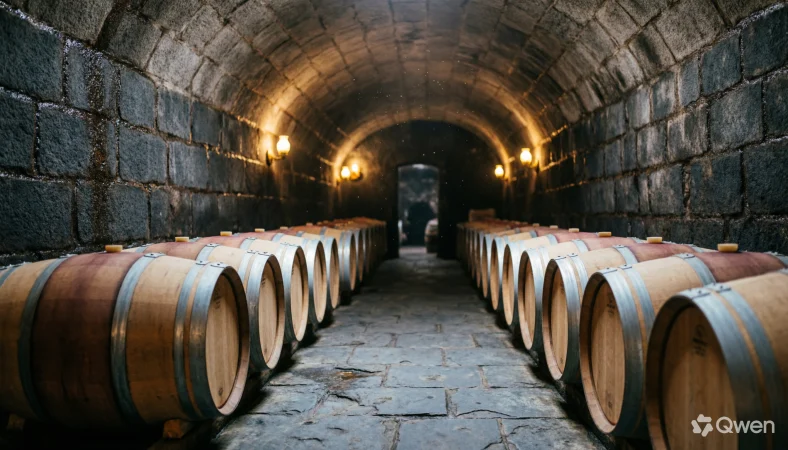
The word cellar describes an underground room or space commonly used for storing food, wine, household supplies, or other goods.
But the exact word can change depending on the language, region, and context. In some languages, the usual translation refers specifically to a basement, while another word may be preferred for a wine cellar or storage cellar.
If you are searching for cellar in different languages, learning the native phrase, pronunciation, and a practical example can make the translation much easier to understand and use.
Below is a carefully selected list of 70 languages, covering major European, Asian, Middle Eastern, African, and other languages.
Because “cellar” can overlap with “basement,” “underground room,” and “wine cellar,” some languages use different words depending on context.
Cellar in All Languages: 70 Translations
| # | Language | Native phrase | Easy English pronunciation | Real-life example | English meaning |
|---|---|---|---|---|---|
| 1 | English | cellar | SEL-er | The cellar is very cool. | The cellar is very cool. |
| 2 | Spanish | sótano | SOH-tah-noh | El vino está en el sótano. | The wine is in the cellar. |
| 3 | French | cave | kahv | Le vin est dans la cave. | The wine is in the cellar. |
| 4 | German | Keller | KEL-er | Das Bier ist im Keller. | The beer is in the cellar. |
| 5 | Italian | cantina | kan-TEE-nah | Il vino è in cantina. | The wine is in the cellar. |
| 6 | Portuguese | cave | KAH-veh | O vinho está na cave. | The wine is in the cellar. |
| 7 | Dutch | kelder | KEL-der | De aardappelen liggen in de kelder. | The potatoes are in the cellar. |
| 8 | Swedish | källare | SHEL-ah-reh | Potatisen finns i källaren. | The potatoes are in the cellar. |
| 9 | Danish | kælder | KEL-ler | Vinen står i kælderen. | The wine is in the cellar. |
| 10 | Norwegian | kjeller | HYEL-ler | Vinen står i kjelleren. | The wine is in the cellar. |
| 11 | Finnish | kellari | KEL-lah-ree | Viini on kellarissa. | The wine is in the cellar. |
| 12 | Icelandic | kjallari | KYAT-lah-ree | Vín er í kjallaranum. | Wine is in the cellar. |
| 13 | Irish | cellar | KEL-er | Tá an fíon sa cellar. | The wine is in the cellar. |
| 14 | Welsh | seler | SEL-er | Mae’r gwin yn y seler. | The wine is in the cellar. |
| 15 | Scottish Gaelic | seilear | SHEL-er | Tha am fìon anns an t-seilear. | The wine is in the cellar. |
| 16 | Polish | piwnica | pyehv-NEET-sah | Wino jest w piwnicy. | The wine is in the cellar. |
| 17 | Czech | sklep | sklyep | Víno je ve sklepě. | The wine is in the cellar. |
| 18 | Slovak | pivnica | PIV-nee-tsah | Víno je v pivnici. | The wine is in the cellar. |
| 19 | Slovenian | klet | klet | Vino je v kleti. | The wine is in the cellar. |
| 20 | Croatian | podrum | POH-droom | Vino je u podrumu. | The wine is in the cellar. |
| 21 | Serbian | подрум | POHD-room | Вино је у подруму. | The wine is in the cellar. |
| 22 | Bosnian | podrum | POHD-room | Vino je u podrumu. | The wine is in the cellar. |
| 23 | Bulgarian | изба | IZ-bah | Виното е в избата. | The wine is in the cellar. |
| 24 | Macedonian | визба | VIZ-bah | Виното е во визбата. | The wine is in the cellar. |
| 25 | Russian | погреб | poh-GRYEB | Вино хранится в погребе. | The wine is stored in the cellar. |
| 26 | Ukrainian | льох | lyoh | Вино зберігається в льосі. | The wine is stored in the cellar. |
| 27 | Belarusian | падвал | pad-VAL | Віно захоўваецца ў падвале. | The wine is stored in the cellar. |
| 28 | Lithuanian | rūsys | ROO-sis | Vynas yra rūsyje. | The wine is in the cellar. |
| 29 | Latvian | pagrabs | PAHG-rabs | Vīns ir pagrabā. | The wine is in the cellar. |
| 30 | Estonian | kelder | KEL-der | Vein on keldris. | The wine is in the cellar. |
| 31 | Hungarian | pince | PEEN-tseh | A bor a pincében van. | The wine is in the cellar. |
| 32 | Romanian | pivniță | peev-NEETS-ah | Vinul este în pivniță. | The wine is in the cellar. |
| 33 | Greek | υπόγειο | ee-POH-yee-oh | Το κρασί είναι στο υπόγειο. | The wine is in the cellar. |
| 34 | Albanian | qilar | CHEE-lar | Vera është në qilar. | The wine is in the cellar. |
| 35 | Armenian | նկուղ | nuh-GHOOL | Գինին նկուղում է։ | The wine is in the cellar. |
| 36 | Georgian | სარდაფი | sar-DAH-pee | ღვინო სარდაფშია. | The wine is in the cellar. |
| 37 | Turkish | mahzen | MAHZ-en | Şarap mahzende. | The wine is in the cellar. |
| 38 | Azerbaijani | zirzəmi | zeer-ZEH-mee | Şərab zirzəmidədir. | The wine is in the cellar. |
| 39 | Persian | زیرزمین | zeer-zah-MEEN | شراب در زیرزمین است. | The wine is in the cellar. |
| 40 | Arabic | قبو | QABW | النبيذ في القبو. | The wine is in the cellar. |
| 41 | Hebrew | מרתף | mar-TAF | היין במרתף. | The wine is in the cellar. |
| 42 | Urdu | تہہ خانہ | teh-KHAH-nah | شراب تہہ خانے میں ہے۔ | The wine is in the cellar. |
| 43 | Hindi | तहखाना | teh-KHAH-nah | शराब तहखाने में है। | The wine is in the cellar. |
| 44 | Bengali | ভূগর্ভস্থ ঘর | bhoo-gorbhostho ghor | মদটি ভূগর্ভস্থ ঘরে রাখা আছে। | The wine is kept in the cellar. |
| 45 | Punjabi | ਤਹਿਖਾਨਾ | teh-khaa-nah | ਸ਼ਰਾਬ ਤਹਿਖਾਨੇ ਵਿੱਚ ਹੈ। | The wine is in the cellar. |
| 46 | Gujarati | ભોંયરું | bhon-yuh-roo | દારૂ ભોંયરામાં છે. | The wine is in the cellar. |
| 47 | Marathi | तळघर | tal-GHAR | वाइन तळघरात आहे. | The wine is in the cellar. |
| 48 | Nepali | तहखाना | teh-KHAH-nah | रक्सी तहखानामा छ। | The wine is in the cellar. |
| 49 | Tamil | நிலவறை | nee-la-vuh-RYE | மது நிலவறையில் உள்ளது. | The wine is in the cellar. |
| 50 | Telugu | నేలమాళిగ | nay-la-MAA-li-ga | వైన్ నేలమాళిగలో ఉంది. | The wine is in the cellar. |
| 51 | Kannada | ನೆಲಮಾಳಿಗೆ | neh-la-MAA-li-geh | ವೈನ್ ನೆಲಮಾಳಿಗೆಯಲ್ಲಿದೆ. | The wine is in the cellar. |
| 52 | Malayalam | നിലവറ | ni-la-va-ra | വീഞ്ഞ് നിലവറയിലാണ്. | The wine is in the cellar. |
| 53 | Sinhala | බිම්ගෙය | bim-ge-ya | වයින් බිම්ගෙයෙහි ඇත. | The wine is in the cellar. |
| 54 | Chinese (Mandarin) | 地窖 | dee-jow | 葡萄酒在地窖里。 | The wine is in the cellar. |
| 55 | Japanese | 地下室 | chee-ka-shitsu | ワインは地下室にあります。 | The wine is in the cellar. |
| 56 | Korean | 지하실 | ji-ha-shil | 와인은 지하실에 있어요. | The wine is in the cellar. |
| 57 | Vietnamese | hầm | hum | Rượu ở trong hầm. | The wine is in the cellar. |
| 58 | Thai | ห้องใต้ดิน | hong-tai-din | ไวน์อยู่ในห้องใต้ดิน | The wine is in the cellar. |
| 59 | Indonesian | ruang bawah tanah | roo-ang ba-wah ta-nah | Anggur ada di ruang bawah tanah. | The wine is in the cellar. |
| 60 | Malay | ruang bawah tanah | roo-ang ba-wah ta-nah | Wain itu di ruang bawah tanah. | The wine is in the cellar. |
| 61 | Filipino | silong | SEE-long | Nasa silong ang alak. | The wine is in the cellar. |
| 62 | Swahili | pishi | PEE-shee | Mvinyo uko kwenye pishi. | The wine is in the cellar. |
| 63 | Zulu | isela | ee-SEH-lah | Iwayini lisemseleni. | The wine is in the cellar. |
| 64 | Afrikaans | kelder | KEL-der | Die wyn is in die kelder. | The wine is in the cellar. |
| 65 | Esperanto | kelo | KAY-loh | La vino estas en la kelo. | The wine is in the cellar. |
| 66 | Latin | cellarium | chel-LAH-ree-um | Vinum in cellario est. | The wine is in the cellar. |
| 67 | Basque | soto | SOH-toh | Ardoa sotoan dago. | The wine is in the cellar. |
| 68 | Galician | adega | ah-DEH-gah | O viño está na adega. | The wine is in the cellar. |
| 69 | Catalan | celler | seh-YER | El vi és al celler. | The wine is in the cellar. |
| 70 | Maltese | kantina | kan-TEE-nah | L-inbid jinsab fil-kantina. | The wine is in the cellar. |
Note: Translations can vary by region and context. In particular, a general cellar, basement, wine cellar, and underground storage room may use different words in the same language.
How to Say “Cellar” in Different Languages
The most useful translation depends on what kind of cellar you mean.
For a general underground storage room, words such as Keller in German, cave in French, piwnica in Polish, and pivniță in Romanian are common choices.
This distinction matters when using cellar translations in travel, architecture, food, wine, or language-learning contexts.
Cellar vs. Basement: Are They the Same?
Not always.
A basement generally means a level or room below ground level in a building. A cellar traditionally refers to an underground space used particularly for storage.
In everyday speech, however, the two words can overlap. Some languages use their normal word for “basement” when translating “cellar,” while others have a dedicated word for a storage or wine cellar.
When accuracy matters, consider the purpose of the space before choosing a translation.
Common Types of Cellars Around the World
Cellars have traditionally served practical purposes in many cultures.
- Wine cellar: Used to store and age wine.
- Root cellar: Used to keep vegetables, fruit, and other foods cool.
- Storage cellar: Used for household supplies and preserved food.
- Basement cellar: A lower-level area beneath a home or building.
- Underground storage room: A broader term for a below-ground storage space.
The best translation of “cellar” can change depending on which of these meanings you intend.
Why Cellar Translations Differ Between Languages
Languages do not divide concepts in exactly the same way. A single English word may correspond to several words in another language.
For example, one language may distinguish between a wine cellar and a basement, while another may use one common word for both. Regional vocabulary can also influence which translation sounds most natural.
Cellar in European Languages
European languages contain some of the most recognizable cellar-related words.
French cave, German Keller, Italian cantina, Dutch kelder, Swedish källare, and Danish kælder are widely associated with underground storage spaces.
Across Central and Eastern Europe, terms such as Polish piwnica, Czech sklep, Croatian podrum, Romanian pivniță, and Hungarian pince are commonly encountered.
These words are especially useful when discussing traditional homes, food storage, wine production, architecture, or travel.
Cellar in Asian Languages
Asian languages often describe a cellar through words connected with underground spaces, lower levels, or storage.
Examples include Hindi and Urdu तहखाना / تہہ خانہ, Mandarin Chinese 地窖, Japanese 地下室, Korean 지하실, and Turkish mahzen.
For travelers or language learners, learning the phrase within a complete sentence is often more practical than memorizing the noun alone.
Cellar in Middle Eastern Languages
The idea of an underground storage area also appears in many Middle Eastern languages.
Arabic قبو, Hebrew מרתף, Persian زیرزمین, Armenian նկուղ, Georgian სარდაფი, and Azerbaijani zirzəmi provide useful examples.
The exact word can change according to whether the speaker means a basement, cellar, storage room, or wine cellar.
Cellar Around the World: Useful Context
Searching for “cellar around the world” can lead to very different cultural meanings. In one country, a cellar may primarily be associated with wine. In another, it may traditionally have been used for storing vegetables, preserves, grains, or household supplies.
This cultural difference is one reason multilingual vocabulary is more useful when accompanied by real-life examples.
How to Use These Cellar Translations Correctly
If you are learning a language, start with the word used in ordinary conversation. Then learn specialized terms for wine cellars, root cellars, or basement rooms if you need them.
For travel, the most useful phrases are usually simple sentences such as:
- “The wine is in the cellar.”
- “Where is the cellar?”
- “The cellar is downstairs.”
- “The food is stored in the cellar.”
These sentence patterns help you understand how the word actually functions rather than learning it in isolation.
Frequently Asked Questions
1. What is “cellar” in different languages?
“Cellar” has different translations depending on the language and context. Common examples include cave in French, Keller in German, cantina in Italian, piwnica in Polish, pivniță in Romanian, 地下室 in Japanese, and 地窖 in Mandarin Chinese.
2. What is the most common translation of cellar in Spanish?
The general translation is commonly sótano, especially when referring to an underground room. Bodega is often used for a wine cellar, winery, or wine-storage context.
3. How do you say cellar in French?
The French word is cave. Depending on context, French can also use related terms for specific types of storage spaces.
4. Is cellar the same as basement in every language?
No. Some languages use the same or closely related word for cellar and basement, while others distinguish between a general basement, storage cellar, and wine cellar.
5. Why are there different cellar translations in the same language?
Meaning changes with context. A cellar beneath a house, a wine cellar, and a food-storage cellar may have different names. Regional usage can also affect which translation sounds most natural.
Conclusion
Knowing how to say cellar in different languages is useful for language learners, travelers, translators, wine enthusiasts, and anyone interested in architecture or vocabulary.
The 70 translations above show how languages around the world describe underground rooms and storage spaces in their own ways.
For the most accurate result, always consider the context. A general cellar, basement, wine cellar, and underground storage room may not share exactly the same translation.

I am Johnny Thomas, a passionate language enthusiast and writer. I enjoy exploring different languages, cultures, words, and expressions. I create helpful, easy-to-understand content to help readers discover languages and communicate confidently.