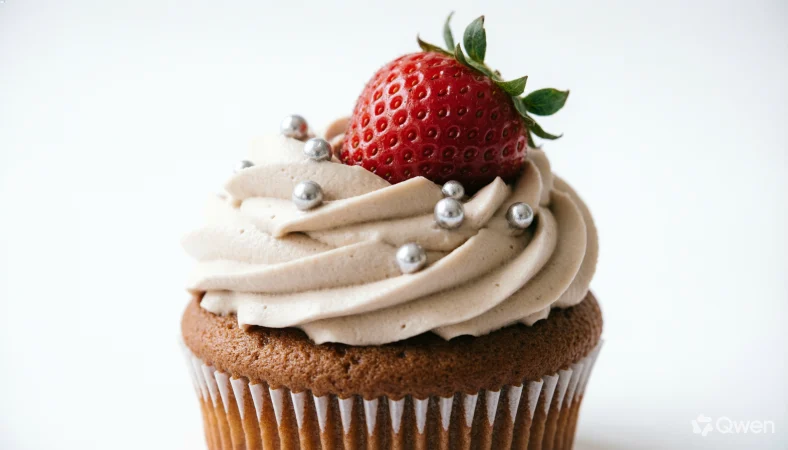
Ever wondered how to say “cupcake” in different languages? This small, colorful cake has become a familiar treat around the world, but its name changes from direct translations to local words for small cakes, muffins, or decorated pastries.
if you are learning languages, traveling, writing a multilingual menu, creating food content, or simply curious about cupcake translations.
This guide gives you useful versions in one place. You will find the native phrase, an easy English pronunciation, a practical example sentence, and the English meaning.
Cupcake in All Languages
The table below focuses on commonly used words or natural equivalents. In some languages, cupcake is borrowed directly from English, while others use a local expression meaning something like “small cake,” “cup cake,” or “little cake.”
| # | Language | Native phrase | Easy English pronunciation | Example sentence | English meaning |
|---|---|---|---|---|---|
| 1 | English | cupcake | KUP-kayk | I bought a chocolate cupcake. | I bought a chocolate cupcake. |
| 2 | Spanish | magdalena | mag-da-LAY-na | Compré una magdalena de chocolate. | I bought a chocolate cupcake. |
| 3 | French | petit gâteau | puh-TEE gah-TOH | J’ai choisi un petit gâteau au chocolat. | I chose a chocolate cupcake. |
| 4 | German | Cupcake | KUP-kayk | Ich esse einen Cupcake. | I am eating a cupcake. |
| 5 | Italian | cupcake | KUP-kayk | Ho mangiato un cupcake. | I ate a cupcake. |
| 6 | Portuguese | cupcake | KUP-kayk | Eu quero um cupcake de baunilha. | I want a vanilla cupcake. |
| 7 | Dutch | cupcake | KUP-kayk | Ik neem een cupcake. | I will have a cupcake. |
| 8 | Afrikaans | kolwyntjie | kol-VINE-kee | Ek eet ‘n kolwyntjie. | I am eating a cupcake. |
| 9 | Danish | cupcake | KUP-kayk | Jeg købte en cupcake. | I bought a cupcake. |
| 10 | Swedish | cupcake | KUP-kayk | Jag vill ha en cupcake. | I want a cupcake. |
| 11 | Norwegian | cupcake | KUP-kayk | Jeg spiste en cupcake. | I ate a cupcake. |
| 12 | Finnish | kuppikakku | KOOP-pee-kak-koo | Söin yhden kuppikakun. | I ate one cupcake. |
| 13 | Icelandic | bollakaka | BOL-la-ka-ka | Ég fékk bollaköku. | I got a cupcake. |
| 14 | Irish | cístín cupa | KEES-teen KUP-a | Fuair mé cístín cupa. | I got a cupcake. |
| 15 | Welsh | cacen gwpan | KAH-ken GW-pan | Ces i gacen gwpan. | I had a cupcake. |
| 16 | Polish | babeczka | ba-BETCH-ka | Kupiłam babeczkę czekoladową. | I bought a chocolate cupcake. |
| 17 | Czech | košíček | ko-SHEE-chek | Dal jsem si košíček. | I had a cupcake. |
| 18 | Slovak | košíček | ko-SHEE-chek | Dal som si košíček. | I had a cupcake. |
| 19 | Slovenian | kolaček | ko-LA-check | Kupil sem kolaček. | I bought a cupcake. |
| 20 | Croatian | kolačić | ko-LA-chich | Kupio sam kolačić. | I bought a cupcake. |
| 21 | Serbian | kolačić | ko-LA-chich | Kupio sam kolačić. | I bought a cupcake. |
| 22 | Bulgarian | кексче | KEKS-cheh | Купих си кексче. | I bought a cupcake. |
| 23 | Macedonian | колаче | ko-LA-che | Купив колаче. | I bought a cupcake. |
| 24 | Romanian | brioșă | bree-OH-shuh | Am cumpărat o brioșă. | I bought a cupcake. |
| 25 | Hungarian | muffin | MOO-fin | Vettem egy muffint. | I bought a cupcake. |
| 26 | Greek | κεκάκι | keh-KA-kee | Έφαγα ένα κεκάκι. | I ate a cupcake. |
| 27 | Russian | капкейк | kap-KAYK | Я купил капкейк. | I bought a cupcake. |
| 28 | Ukrainian | капкейк | kap-KAYK | Я купив капкейк. | I bought a cupcake. |
| 29 | Belarusian | кекс | KEKS | Я купіў кекс. | I bought a cupcake. |
| 30 | Lithuanian | keksiukas | kek-SEE-oo-kas | Nusipirkau keksiuką. | I bought a cupcake. |
| 31 | Latvian | kēksiņš | KAYK-sinsh | Es nopirku kēksiņu. | I bought a cupcake. |
| 32 | Estonian | tassikook | TAS-see-kook | Ma ostsin tassikoogi. | I bought a cupcake. |
| 33 | Georgian | კექსი | KEK-see | მე კექსი ვიყიდე. | I bought a cupcake. |
| 34 | Armenian | քափքեյք | kap-KAYK | Ես քափքեյք գնեցի։ | I bought a cupcake. |
| 35 | Azerbaijani | keks | KEKS | Mən keks aldım. | I bought a cupcake. |
| 36 | Turkish | kapkek | KAP-kek | Bir kapkek aldım. | I bought a cupcake. |
| 37 | Arabic | كاب كيك | kab KEEK | اشتريت كاب كيك. | I bought a cupcake. |
| 38 | Hebrew | קאפקייק | KAP-kayk | קניתי קאפקייק. | I bought a cupcake. |
| 39 | Persian | کاپکیک | KAP-kayk | من یک کاپکیک خریدم. | I bought a cupcake. |
| 40 | Urdu | کپ کیک | KUP kayk | میں نے کپ کیک خریدا۔ | I bought a cupcake. |
| 41 | Hindi | कप केक | KUP kayk | मैंने कप केक खरीदा। | I bought a cupcake. |
| 42 | Bengali | কাপ কেক | KAP kayk | আমি একটি কাপ কেক কিনেছি। | I bought a cupcake. |
| 43 | Punjabi | ਕੱਪ ਕੇਕ | KUP kayk | ਮੈਂ ਇੱਕ ਕੱਪ ਕੇਕ ਖਰੀਦਿਆ। | I bought a cupcake. |
| 44 | Gujarati | કપકેક | KUP-kayk | મેં કપકેક ખરીદી. | I bought a cupcake. |
| 45 | Marathi | कपकेक | KUP-kayk | मी कपकेक विकत घेतला. | I bought a cupcake. |
| 46 | Tamil | கப்கேக் | KAP-kayk | நான் ஒரு கப்கேக் வாங்கினேன். | I bought a cupcake. |
| 47 | Telugu | కప్ కేక్ | KUP kayk | నేను కప్ కేక్ కొన్నాను. | I bought a cupcake. |
| 48 | Kannada | ಕಪ್ಕೇಕ್ | KUP-kayk | ನಾನು ಕಪ್ಕೇಕ್ ಖರೀದಿಸಿದೆ. | I bought a cupcake. |
| 49 | Malayalam | കപ്പ് കേക്ക് | KUP kayk | ഞാൻ ഒരു കപ്പ് കേക്ക് വാങ്ങി. | I bought a cupcake. |
| 50 | Nepali | कप केक | KUP kayk | मैले कप केक किनेँ। | I bought a cupcake. |
| 51 | Sinhala | කප්කේක් | KUP-kayk | මම කප්කේක් එකක් ගත්තා. | I bought a cupcake. |
| 52 | Chinese | 纸杯蛋糕 | jyh bay dahn-gaow | 我买了一个纸杯蛋糕。 | I bought a cupcake. |
| 53 | Japanese | カップケーキ | KAP-poo KAY-kee | カップケーキを買いました。 | I bought a cupcake. |
| 54 | Korean | 컵케이크 | kup-kay-keu | 컵케이크를 샀어요. | I bought a cupcake. |
| 55 | Thai | คัพเค้ก | kap-khek | ฉันซื้อคัพเค้ก | I bought a cupcake. |
| 56 | Vietnamese | bánh cupcake | ban KUP-kayk | Tôi mua một chiếc bánh cupcake. | I bought a cupcake. |
| 57 | Indonesian | cupcake | KUP-kayk | Saya membeli cupcake. | I bought a cupcake. |
| 58 | Malay | kek cawan | kek CHA-wan | Saya membeli kek cawan. | I bought a cupcake. |
| 59 | Filipino | cupcake | KUP-kayk | Bumili ako ng cupcake. | I bought a cupcake. |
| 60 | Khmer | នំខេក | nom kayk | ខ្ញុំទិញនំខេកមួយ។ | I bought a cupcake. |
| 61 | Lao | ຈອກເຄັກ | jok kek | ຂ້ອຍຊື້ເຄັກ. | I bought a cupcake. |
| 62 | Mongolian | аяга бялуу | AH-yahg-ah BYAH-loo | Би аяга бялуу авсан. | I bought a cupcake. |
| 63 | Swahili | keki ya kikombe | KEK-ee ya kee-KOM-beh | Nimenunua keki ya kikombe. | I bought a cupcake. |
| 64 | Somali | koob keega | koob KAY-ga | Waxaan iibsaday koob keega. | I bought a cupcake. |
| 65 | Amharic | ኩባያ ኬክ | koo-BAH-ya kayk | ኩባያ ኬክ ገዛሁ። | I bought a cupcake. |
| 66 | Hausa | cake | kayk | Na sayi cake. | I bought a cupcake. |
| 67 | Yoruba | akara oyinbo | ah-KA-ra oh-YEEN-boh | Mo ra akara oyinbo. | I bought a cupcake. |
| 68 | Zulu | ikhekhe | ee-KHEH-kheh | Ngithenge ikhekhe. | I bought a cupcake. |
| 69 | Xhosa | ikeyiki | ee-KAY-yee-kee | Ndithenge ikeyiki. | I bought a cupcake. |
| 70 | Haitian Creole | kupkèyk | koop-KAYK | Mwen achte yon kupkèyk. | I bought a cupcake. |
Note: Pronunciations are simplified English-friendly guides rather than formal phonetic transcriptions. In several languages, the everyday term is an English loanword or a close local equivalent rather than a literal one-to-one translation.
How to Say Cupcake in Different Languages
There are two main patterns in how to say cupcake in different languages.
The first is direct borrowing. Languages such as German, Italian, Dutch, Japanese, Korean, Thai, and Indonesian commonly use a form of the English word.
Some languages also use a word that more generally means a small cake, muffin, or individual pastry. That is why two dictionaries may sometimes show different translations for the same English word.
Why Cupcake Translations Can Differ
A cupcake is not simply a word; it is also a food concept that has spread internationally. When a food becomes popular in another culture, speakers may keep the original name, adapt its pronunciation, or choose an existing local word.
For example, Japanese uses a phonetic adaptation of “cupcake,” while Chinese uses 纸杯蛋糕, which describes the cake in a paper cup.
Spanish may use magdalena, although the Spanish word can refer to a traditional small cake that is not identical to the frosted American-style cupcake.
Cupcake Around the World
Cupcakes are now familiar in bakeries, cafés, supermarkets, birthday parties, weddings, and home kitchens across many countries.
In English-speaking countries, cupcakes are especially associated with colorful frosting and celebrations. Elsewhere, local versions may resemble muffins, small sponge cakes, or traditional individual pastries.
Common Cupcake Vocabulary for Travelers and Food Lovers
Words such as cake, frosting, chocolate, vanilla, bakery, sweet, and dessert often appear alongside cupcake on menus and packaging.
When ordering abroad, it is also useful to remember that a direct translation may describe a slightly different pastry. Looking at the ingredients or asking about the topping can help you identify exactly what you are ordering.
Tips for Using Cupcake Translations Correctly
Check the local context
A dictionary translation may be technically correct but uncommon in everyday speech. Loanwords such as “cupcake” are often preferred in modern food, restaurant, and social-media contexts.
Watch for regional differences
Spanish, Portuguese, Arabic, and other widely spoken languages can have different words or preferences depending on the country or region.
Do not confuse cupcakes with muffins
Although some languages use the same or similar word for both, cupcakes and muffins are not always considered the same food.
Use native script when possible
If you are making a multilingual menu or social post, displaying the phrase in its original writing system can make the content more useful and authentic.
Frequently Asked Questions
1. What is cupcake in different languages?
“Cupcake” has many forms around the world. Some languages use a direct borrowing, such as Japanese カップケーキ, while others use a local equivalent, such as Finnish kuppikakku or Malay kek cawan.
2. How do you say cupcake in all languages?
There is no single universal translation because languages can have multiple regional or contextual terms. The table above provides 70 commonly encountered versions, including direct loanwords and natural local equivalents.
3. What is cupcake in Spanish?
A common Spanish equivalent is magdalena, although cupcake is also widely understood, particularly when referring to a decorated or American-style cupcake.
4. What is cupcake in French?
A common French expression is petit gâteau, meaning “small cake.” However, cupcake is also widely used in French, especially in modern bakery and food contexts.
5. Why do some languages use the English word cupcake?
“Cupcake” has become an international food term. When a food is introduced into a language without an established traditional equivalent, speakers often adopt the original word and adjust its pronunciation or spelling to fit the local language.
Conclusion
Learning cupcake in different languages is a simple and enjoyable way to explore how food vocabulary travels across cultures. Some languages translate the concept directly, while others borrow the English term or use a traditional word for a small cake.
if you searched for cupcake in all languages, how to say cupcake in different languages, or simply wanted to discover cupcake translations the world, these provide a useful starting point for language learning, travel, menus, and international food content.

I am Johnny Thomas, a passionate language enthusiast and writer. I enjoy exploring different languages, cultures, words, and expressions. I create helpful, easy-to-understand content to help readers discover languages and communicate confidently.