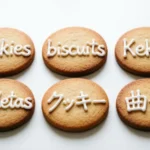
The word “clique” refers to a small, exclusive group of people who spend time together and may deliberately keep others outside the group.
If you are looking for clique in different languages, this guide gives you 70 translations along with native phrases, easy English pronunciations, practical examples, and their English meanings.
if you are learning vocabulary, translating a website, writing multilingual content, or simply curious about clique translations around the world, the table below makes it easy to see how the word is expressed in different languages.
A clique is generally a small group of people who are closely connected and often have shared interests, habits, or social relationships. The word can sometimes have a negative meaning when the group appears unfriendly, exclusive, or unwilling to accept outsiders.
Depending on the language and cultural context, the closest translation may mean exclusive group, small social group, inner circle, or closed group rather than being a direct equivalent of the English word.
Here are 70 ways to express “clique” in different languages. Pronunciations are simplified for English speakers and are intended as practical guides rather than precise phonetic transcriptions.
Language Native phrase Easy English pronunciation Real-life example English meaning
1 English clique kleek That clique always sits together. That exclusive group always sits together.
2 French clique kleek Cette clique reste toujours ensemble. This clique always stays together.
3 Spanish grupo cerrado GROO-poh seh-RRAH-doh Ese grupo cerrado siempre está junto. That closed group is always together.
4 Portuguese panelinha pah-neh-LEE-nyah Eles formaram uma panelinha na escola. They formed a clique at school.
5 Italian comitiva koh-mee-TEE-vah Quel gruppo forma una piccola comitiva. That group forms a small social circle.
6 German Clique KLEE-kuh Diese Clique trifft sich jeden Freitag. This clique meets every Friday.
7 Dutch kliek kleek Die kliek blijft altijd bij elkaar. The clique always stays together.
8 Afrikaans kliek kleek Daardie kliek hou altyd saam. That clique always sticks together.
9 Swedish klick klick Den där klicken håller alltid ihop. That clique always sticks together.
10 Norwegian klikk klik Den klikken er alltid sammen. That clique is always together.
11 Danish klike KLEE-keh Den klike holder altid sammen. That clique always stays together.
12 Finnish klikki KLIK-kee Tuo klikki viettää aikaa yhdessä. That clique spends time together.
13 Icelandic klíka KLEE-kah Þessi klíka er alltaf saman. This clique is always together.
14 Polish klika KLEE-kah Ta klika zawsze trzyma się razem. That clique always sticks together.
15 Czech klika KLEE-kah Ta klika se vždy drží pohromadě. That clique always stays together.
16 Slovak klika KLEE-kah Táto klika sa vždy stretáva spolu. This clique always meets together.
17 Slovenian klika KLEE-kah Ta klika se pogosto druži skupaj. That clique often socializes together.
18 Croatian klika KLEE-kah Ta klika uvijek sjedi zajedno. That clique always sits together.
19 Serbian клика KLEE-kah Та клика увек седи заједно. That clique always sits together.
20 Bulgarian клика KLEE-kah Тази клика винаги е заедно. This clique is always together.
21 Macedonian клика KLEE-kah Оваа клика секогаш е заедно. This clique is always together.
22 Russian клика KLEE-kah Эта клика всегда держится вместе. This clique always sticks together.
23 Ukrainian компанія kohm-PAH-nee-yah Ця компанія завжди тримається разом. This group always sticks together.
24 Belarusian кампанія kahm-pah-NEE-yah Гэта кампанія заўсёды разам. This group is always together.
25 Lithuanian klika KLEE-kah Ši klika visada laikosi kartu. This clique always stays together.
26 Latvian klika KLEE-kah Šī klika vienmēr turas kopā. This clique always sticks together.
27 Estonian klikk klik See klikk käib alati koos. This clique always hangs out together.
28 Romanian gașcă GASH-kuh Această gașcă este mereu împreună. This group is always together.
29 Hungarian klikk klik Ez a klikk mindig együtt van. This clique is always together.
30 Greek κλίκα KLEE-kah Αυτή η κλίκα είναι πάντα μαζί. This clique is always together.
31 Albanian klika KLEE-kah Kjo klika është gjithmonë bashkë. This clique is always together.
32 Turkish klik kleek Bu klik her zaman birlikte. This clique is always together.
33 Arabic شِلّة SHIL-lah هذه الشِلّة تجتمع كل يوم. This clique meets every day.
34 Hebrew חבורה kha-voo-RAH החבורה הזאת תמיד ביחד. This group is always together.
35 Persian گروه بسته gor-OH-heh bas-TEH این گروه بسته همیشه با هم هستند. This closed group is always together.
36 Hindi गुट goot वह गुट हमेशा साथ रहता है। That clique always stays together.
37 Urdu گروہ GROH وہ گروہ ہمیشہ اکٹھا رہتا ہے۔ That group always stays together.
38 Bengali গোষ্ঠী GOH-shtee এই গোষ্ঠী সবসময় একসঙ্গে থাকে। This group always stays together.
39 Punjabi ਟੋਲੀ TOH-lee ਇਹ ਟੋਲੀ ਹਮੇਸ਼ਾ ਇਕੱਠੀ ਰਹਿੰਦੀ ਹੈ। This group always stays together.
40 Gujarati ટોળકી TOHL-kee આ ટોળકી હંમેશા સાથે રહે છે. This clique always stays together.
41 Marathi गट gut तो गट नेहमी एकत्र असतो. That group is always together.
42 Nepali समूह soo-MOOh त्यो समूह सधैं सँगै हुन्छ। That group is always together.
43 Sinhala කණ්ඩායම kan-daa-YAH-ma ඒ කණ්ඩායම හැමදාම එකට ඉන්නවා. That group is always together.
44 Tamil குழு koo-zhoo அந்தக் குழு எப்போதும் ஒன்றாக இருக்கும். That group is always together.
45 Telugu గుంపు goom-poo ఆ గుంపు ఎప్పుడూ కలిసి ఉంటుంది. That group is always together.
46 Kannada ಗುಂಪು goom-poo ಆ ಗುಂಪು ಯಾವಾಗಲೂ ಒಟ್ಟಿಗೆ ಇರುತ್ತದೆ. That group is always together.
47 Malayalam സംഘം sang-GHAM ആ സംഘം എപ്പോഴും ഒരുമിച്ചാണ്. That group is always together.
48 Chinese (Mandarin) 小圈子 xiǎo quānzi 他们总是和那个小圈子在一起。 They are always with that clique.
49 Japanese 仲間内 nakama-uchi 彼らはいつも仲間内で集まっている。 They always gather within their own group.
50 Korean 패거리 pae-geo-ri 그 패거리는 항상 함께 다닌다. That clique always goes around together.
51 Vietnamese nhóm nhỏ nyom nyaw Nhóm nhỏ đó luôn ở bên nhau. That small group is always together.
52 Thai กลุ่มเพื่อน gloom pheuan กลุ่มเพื่อนนั้นอยู่ด้วยกันเสมอ That group of friends is always together.
53 Indonesian kelompok eksklusif keh-LOM-pok eks-kloo-SEEF Kelompok eksklusif itu selalu bersama. That exclusive group is always together.
54 Malay kumpulan eksklusif koom-POO-lan eks-kloo-SEEF Kumpulan eksklusif itu selalu bersama. That exclusive group is always together.
55 Filipino barkada bar-KAH-dah Lagi silang magkakasama bilang barkada. They are always together as a clique of friends.
56 Khmer ក្រុមមិត្តភក្តិ krom mit-pek ក្រុមមិត្តភក្តិនោះតែងតែនៅជាមួយគ្នា។ That group of friends is always together.
57 Lao ກຸ່ມໝູ່ goom moo ກຸ່ມໝູ່ນັ້ນຢູ່ນຳກັນສະເໝີ. That group of friends is always together.
58 Burmese အုပ်စု ohk-soo အဲဒီအုပ်စုက အမြဲအတူရှိတယ်။ That group is always together.
59 Mongolian бүлэг boo-leg Тэр бүлэг үргэлж хамт байдаг. That group is always together.
60 Kazakh топ top Ол топ әрқашан бірге жүреді. That group always stays together.
61 Uzbek guruh goo-ROOH Bu guruh doimo birga yuradi. This group always stays together.
62 Georgian ჯგუფი jgoo-pi ეს ჯგუფი ყოველთვის ერთად არის. This group is always together.
63 Armenian խումբ khoomp Այդ խումբը միշտ միասին է։ That group is always together.
64 Azerbaijani qrup groop Bu qrup həmişə birlikdədir. This group is always together.
65 Swahili kikundi kee-KOON-dee Kikundi hicho huwa pamoja kila wakati. That group is always together.
66 Zulu iqembu ee-KHEM-boo Lelo qembu lihlala ndawonye. That group always stays together.
67 Xhosa iqela ee-GEH-lah Elo qela lihlala kunye. That group always stays together.
68 Haitian Creole ti gwoup tee groop Ti gwoup sa a toujou ansanm. This small group is always together.
69 Esperanto kliko KLEE-koh Tiu kliko ĉiam restas kune. That clique always stays together.
70 Latin circulus exclusus KEER-koo-loos eks-KLOO-soos Circulus exclusus semper una est. The exclusive group is always together.
“Clique” in All Languages: Important Translation Notes
A direct one-word translation is not available in every language. In several languages, the most natural expression describes the idea of a closed group, exclusive social circle, or group of friends.
This distinction matters when using clique in all languages for translation, education, travel, or multilingual content. A literal translation may sound unnatural, while a contextual translation can communicate the intended meaning much more clearly.
For example, Portuguese commonly uses panelinha for an exclusive little group, while Filipino uses barkada for a close group of friends. In other languages, expressions equivalent to “closed group” or “small group” may be more natural.
How to Say “Clique” in Different Languages Correctly
When translating the word “clique,” consider the context first.
If you are describing a group that deliberately excludes other people, terms meaning exclusive group or closed group may be appropriate. If you are simply describing close friends who spend time together, a word meaning friend group or social circle may sound more natural.
This is especially important for languages in which the English word “clique” does not have a direct everyday equivalent.
Clique Translations for Everyday Conversation
The word can appear in several common situations:
School: A small group of students that tends to stay together.
Work: An exclusive group of colleagues or coworkers.
Social life: A close circle of friends.
Politics: A small inner group with influence.
Online communities: A group that interacts mainly with its own members.
The exact translation should match the intended meaning rather than simply copying the English spelling.
Clique Around the World
The concept of a clique exists in many cultures, although the words used to describe it vary considerably. Some languages have a direct loanword or close equivalent, while others prefer expressions such as “small group,” “closed circle,” “group of friends,” or “exclusive group.”
That is why clique around the world can be understood more accurately by looking at both vocabulary and context.
For language learners, learning the example sentence alongside the translation is particularly useful. It shows how the term works in natural communication rather than presenting it as an isolated dictionary entry.
Choosing the Best Translation for “Clique”
There is no single translation that is perfect for every situation. Before choosing a word, ask what you actually mean:
If the group is exclusive, choose an expression that emphasizes exclusion.
If the group is simply close friends, use the local term for a friend group.
If you mean an inner circle, choose a phrase that conveys influence or closeness.
If you are translating a formal text, prioritize the natural expression used in that language rather than a literal translation.
This approach produces more accurate and natural clique translations.
Frequently Asked Questions
- What is the meaning of “clique”?
A clique is a small, closely connected group of people, often one that is perceived as exclusive or unwilling to include outsiders.
- How do you say “clique” in different languages?
The translation varies by language. Examples include clique in French and German, kliek in Dutch, klika in Polish, клика in Russian, panelinha in Portuguese, and 小圈子 in Mandarin Chinese.
- Is “clique” the same as “friend group”?
Not always. A friend group can simply describe people who are friends, while a clique often suggests that the group is exclusive or socially closed.
- Why do some languages have different translations for “clique”?
Languages organize concepts differently. Some have a direct equivalent, while others express the idea through terms meaning “closed group,” “small group,” “inner circle,” or “group of friends.”
- What is the easiest way to learn “clique” in another language?
Learn the native expression together with a short example sentence. This helps you understand both the vocabulary and the context in which native speakers would naturally use it.
Conclusion
Learning clique in different languages is more than memorizing 70 translated words. The meaning can shift between an exclusive social group, a close circle of friends, or a closed group, depending on the language and context.
The 70-language list above provides a practical starting point for understanding how to say clique in different languages, comparing clique translations, and exploring how the concept is expressed around the world.

I am Johnny Thomas, a passionate language enthusiast and writer. I enjoy exploring different languages, cultures, words, and expressions. I create helpful, easy-to-understand content to help readers discover languages and communicate confidently.