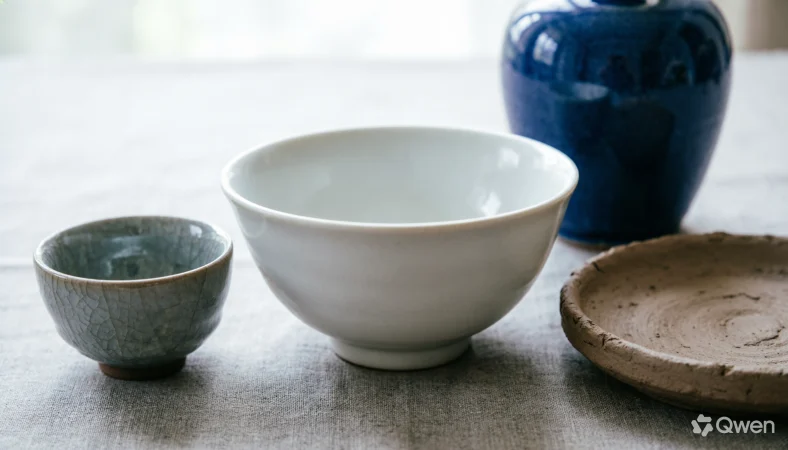
Wondering how to say ceramic in different languages? if you are traveling, studying languages, shopping for pottery, working with tiles, or communicating with international suppliers, knowing the right word can make conversations much easier.
This guide gives you ceramic in all languages across 70 languages, including the native phrase, an easy English pronunciation.
A practical example sentence, and the English meaning. The examples focus on everyday situations involving cups, plates, bowls, tiles, pottery, art, and home décor.
Ceramic in Different Languages: 70 Translations
The table below makes it easy to compare ceramic translations around the world. Pronunciations are simplified English-friendly guides rather than formal phonetic transcriptions.
| # | Language | Native phrase | Easy English pronunciation | Example sentence | English meaning |
|---|---|---|---|---|---|
| 1 | English | ceramic | suh-RAM-ik | This bowl is made of ceramic. | This bowl is made of ceramic. |
| 2 | Spanish | cerámica | seh-RAH-mee-kah | La taza es de cerámica. | The cup is made of ceramic. |
| 3 | French | céramique | say-rah-MEEK | Cette statue est en céramique. | This statue is made of ceramic. |
| 4 | German | Keramik | kay-RAH-meek | Die Vase ist aus Keramik. | The vase is made of ceramic. |
| 5 | Italian | ceramica | cheh-RAH-mee-kah | Il piatto è di ceramica. | The plate is made of ceramic. |
| 6 | Portuguese | cerâmica | seh-RAH-mee-kah | A tigela é de cerâmica. | The bowl is made of ceramic. |
| 7 | Russian | керамика | keh-RAH-mee-kah | Это керамическая чашка. | This is a ceramic cup. |
| 8 | Chinese (Mandarin) | 陶瓷 | taow-tzuh | 这个碗是陶瓷的。 | This bowl is ceramic. |
| 9 | Japanese | セラミック | seh-rah-MIK-koo | これはセラミックの皿です。 | This is a ceramic plate. |
| 10 | Korean | 세라믹 | seh-RA-mik | 이 접시는 세라믹입니다. | This plate is ceramic. |
| 11 | Arabic | سيراميك | see-rah-MEEK | هذا طبق من السيراميك. | This is a ceramic plate. |
| 12 | Hindi | सिरेमिक | sih-RAH-mik | यह सिरेमिक कप है। | This is a ceramic cup. |
| 13 | Urdu | سیرامک | see-RAH-mik | یہ سیرامک پلیٹ ہے۔ | This is a ceramic plate. |
| 14 | Bengali | সিরামিক | shee-RAH-mik | এটি সিরামিকের কাপ। | This is a ceramic cup. |
| 15 | Punjabi | ਸਿਰਾਮਿਕ | see-RA-mik | ਇਹ ਸਿਰਾਮਿਕ ਕਟੋਰਾ ਹੈ। | This is a ceramic bowl. |
| 16 | Turkish | seramik | seh-RAH-meek | Bu tabak seramik. | This plate is ceramic. |
| 17 | Persian | سرامیک | seh-RAH-meek | این ظرف سرامیکی است. | This dish is ceramic. |
| 18 | Greek | κεραμική | keh-rah-mee-KEE | Αυτό είναι κεραμικό πιάτο. | This is a ceramic plate. |
| 19 | Dutch | keramiek | keh-rah-MEEK | Deze vaas is van keramiek. | This vase is made of ceramic. |
| 20 | Swedish | keramik | sheh-rah-MEEK | Skålen är av keramik. | The bowl is made of ceramic. |
| 21 | Norwegian | keramikk | keh-rah-MEEK | Koppen er keramisk. | The cup is ceramic. |
| 22 | Danish | keramik | keh-rah-MEEK | Tallerkenen er keramisk. | The plate is ceramic. |
| 23 | Finnish | keramiikka | KEH-rah-mee-kah | Tämä on keraaminen kulho. | This is a ceramic bowl. |
| 24 | Polish | ceramika | tseh-rah-MEE-kah | To jest ceramiczny kubek. | This is a ceramic mug. |
| 25 | Czech | keramika | keh-RAH-mee-kah | To je keramická miska. | This is a ceramic bowl. |
| 26 | Slovak | keramika | keh-RAH-mee-kah | Toto je keramický tanier. | This is a ceramic plate. |
| 27 | Hungarian | kerámia | keh-RAH-mee-ah | Ez egy kerámia váza. | This is a ceramic vase. |
| 28 | Romanian | ceramică | cheh-RAH-mee-kah | Farfuria este din ceramică. | The plate is ceramic. |
| 29 | Bulgarian | керамика | keh-RAH-mee-kah | Това е керамична чаша. | This is a ceramic cup. |
| 30 | Serbian | керамика | keh-RAH-mee-kah | Ово је керамичка чинија. | This is a ceramic bowl. |
| 31 | Croatian | keramika | keh-RAH-mee-kah | Ovo je keramički tanjur. | This is a ceramic plate. |
| 32 | Slovenian | keramika | keh-RAH-mee-kah | To je keramična posoda. | This is a ceramic dish. |
| 33 | Ukrainian | кераміка | keh-RAH-mee-kah | Це керамічна ваза. | This is a ceramic vase. |
| 34 | Hebrew | קרמיקה | keh-rah-MEE-kah | זו צלחת קרמית. | This is a ceramic plate. |
| 35 | Thai | เซรามิก | seh-rah-MIK | นี่คือจานเซรามิก | This is a ceramic plate. |
| 36 | Vietnamese | gốm sứ | gohm suh | Đây là bát gốm sứ. | This is a ceramic bowl. |
| 37 | Indonesian | keramik | keh-RAH-mik | Ini piring keramik. | This is a ceramic plate. |
| 38 | Malay | seramik | seh-RAH-mik | Ini cawan seramik. | This is a ceramic cup. |
| 39 | Filipino | seramika | seh-rah-MEE-kah | Ito ay mangkok na seramika. | This is a ceramic bowl. |
| 40 | Swahili | kauri | KOW-ree | Hiki ni kikombe cha kauri. | This is a ceramic cup. |
| 41 | Zulu | ceramic | seh-RA-mik | Lesi isitsha se-ceramic. | This is a ceramic container. |
| 42 | Afrikaans | keramiek | keh-RAH-meek | Dit is ‘n keramiekbord. | This is a ceramic plate. |
| 43 | Amharic | ሴራሚክ | seh-RA-mik | ይህ ሴራሚክ ሳህን ነው። | This is a ceramic plate. |
| 44 | Somali | ceramic | seh-RA-mik | Tani waa saxan ceramic ah. | This is a ceramic plate. |
| 45 | Tamil | செராமிக் | seh-RAH-mik | இது செராமிக் கிண்ணம். | This is a ceramic bowl. |
| 46 | Telugu | సిరామిక్ | seh-RAH-mik | ఇది సిరామిక్ ప్లేట్. | This is a ceramic plate. |
| 47 | Kannada | ಸೆರಾಮಿಕ್ | seh-RAH-mik | ಇದು ಸೆರಾಮಿಕ್ ಬೌಲ್. | This is a ceramic bowl. |
| 48 | Malayalam | സെറാമിക് | seh-RAH-mik | ഇത് സെറാമിക് പാത്രമാണ്. | This is a ceramic vessel. |
| 49 | Marathi | सिरॅमिक | seh-RAH-mik | हे सिरॅमिक भांडे आहे. | This is a ceramic pot. |
| 50 | Gujarati | સિરામિક | seh-RAH-mik | આ સિરામિક થાળી છે. | This is a ceramic plate. |
| 51 | Nepali | सिरेमिक | seh-RA-mik | यो सिरेमिक कप हो। | This is a ceramic cup. |
| 52 | Sinhala | සෙරමික් | seh-RA-mik | මෙය සෙරමික් කෝප්පයකි. | This is a ceramic cup. |
| 53 | Burmese | စီရာမစ် | see-RA-mik | ဒီဟာ စီရာမစ် ပန်းကန်ပါ။ | This is a ceramic plate. |
| 54 | Khmer | សេរ៉ាមិច | seh-rah-MIK | នេះជាចានសេរ៉ាមិច។ | This is a ceramic plate. |
| 55 | Lao | ເຊລາມິກ | seh-LAH-mik | ນີ້ແມ່ນຈານເຊລາມິກ. | This is a ceramic plate. |
| 56 | Mongolian | керамик | keh-RA-mik | Энэ керамик аяга байна. | This is a ceramic cup. |
| 57 | Georgian | კერამიკა | keh-rah-MEE-kah | ეს კერამიკული თასია. | This is a ceramic bowl. |
| 58 | Armenian | կերամիկա | keh-rah-MEE-kah | Սա կերամիկական բաժակ է. | This is a ceramic cup. |
| 59 | Albanian | qeramikë | cheh-rah-MEE-keh | Kjo është pjatë qeramike. | This is a ceramic plate. |
| 60 | Lithuanian | keramika | keh-RAH-mee-kah | Tai keraminė vaza. | This is a ceramic vase. |
| 61 | Latvian | keramika | keh-RAH-mee-kah | Tā ir keramikas krūze. | This is a ceramic mug. |
| 62 | Estonian | keraamika | keh-RAH-mee-kah | See on keraamiline tass. | This is a ceramic cup. |
| 63 | Azerbaijani | keramika | keh-rah-MEE-kah | Bu keramika boşqabdır. | This is a ceramic plate. |
| 64 | Bosnian | keramika | keh-RAH-mee-kah | Ovo je keramička zdjela. | This is a ceramic bowl. |
| 65 | Macedonian | керамика | keh-RAH-mee-kah | Ова е керамичка чаша. | This is a ceramic cup. |
| 66 | Catalan | ceràmica | seh-RAH-mee-kah | Aquest plat és de ceràmica. | This plate is made of ceramic. |
| 67 | Icelandic | keramik | KEH-rah-mik | Þetta er keramikskál. | This is a ceramic bowl. |
| 68 | Esperanto | ceramiko | tseh-rah-MEE-koh | Ĉi tiu taso estas el ceramiko. | This cup is made of ceramic. |
| 69 | Basque | zeramika | seh-rah-MEE-kah | Katilua zeramikoa da. | The bowl is ceramic. |
| 70 | Welsh | ceramig | keh-RAH-mig | Mae hwn yn gwpan ceramig. | This is a ceramic cup. |
What Does “Ceramic” Mean?
The word ceramic generally describes a hard, nonmetallic material produced by shaping and heating materials such as clay. Ceramic products include plates, cups, bowls, tiles, pottery, decorative objects, sanitaryware, and many industrial components.
The exact translation depends on how the word is being used. In some languages, the direct equivalent is primarily a noun meaning ceramic material or ceramic ware. In others, a related adjective is more natural when describing an object.
That distinction matters when learning how to say ceramic in different languages. A dictionary translation may be correct by itself, while a slightly different grammatical form may sound more natural inside a sentence.
How to Say Ceramic in Different Languages Naturally
When using a translation in everyday conversation, focus on the whole phrase rather than memorizing only one isolated word.
For example, English speakers commonly say “a ceramic cup,” while another language may use a grammatical adjective or a phrase meaning “a cup made of ceramic.”
This is why the examples above are useful: they show ceramic around the world in realistic contexts rather than simply presenting a list of dictionary equivalents.
Ceramic Translations for Travel and Shopping
Knowing ceramic vocabulary can be particularly useful when shopping internationally.
You may encounter ceramic products in:
- Homeware stores
- Pottery markets
- Tile shops
- Art galleries
- Craft markets
- Kitchenware stores
- Interior-design showrooms
- Construction-material suppliers
If you are buying a handmade bowl or vase, knowing the local word for ceramic can make it easier to ask what the item is made from.
For international shopping, also remember that ceramic, pottery, porcelain, earthenware, and stoneware are related but are not always interchangeable terms.
Ceramic in Art, Pottery, and Home Design
Ceramic has a major role in art and everyday design. Artists use ceramic materials to create sculptures, vessels, tiles, ornaments, and decorative pieces.
The terminology can vary by country and context, so a professional ceramic artist may use a more specialized term than someone simply shopping for a ceramic plate.
Why Ceramic Words Look Similar in Many Languages
One interesting feature of ceramic in all languages is the similarity between many European translations.
Words such as ceramica, céramique, keramiek, Keramik, keramika, and kerámia have related historical roots. As a result, learners can often recognize a familiar pattern even when they do not speak the language fluently.
However, similar spelling does not always mean identical pronunciation or grammar. Always consider the language-specific form when speaking or writing.
Common Uses of Ceramic Around the World
Ceramic is used in many areas of daily life and industry.
Common examples include:
- Ceramic plates and bowls
- Ceramic coffee mugs
- Ceramic floor and wall tiles
- Ceramic vases
- Ceramic sculptures
- Ceramic cookware
- Ceramic bathroom fixtures
- Ceramic decorative objects
- Ceramic electrical components
- Ceramic building materials
This broad range of uses explains why ceramic vocabulary can be useful for travelers, students, designers, artists, manufacturers, and language learners.
Tips for Learning Ceramic Translations
If your goal is to remember these ceramic translations, start with the languages you use most often.
A simple approach is to learn the word together with an object. For example, instead of memorizing only the translation for ceramic, learn the complete phrase for “ceramic cup” or “ceramic plate.”
You can also group similar words together. Many European languages use forms related to ceramik, while several Asian languages use loanwords or traditional terms connected with pottery and ceramic materials.
Most importantly, remember that pronunciation guides in English are approximations. Native pronunciation can vary by region, accent, and speaking speed.
Frequently Asked Questions About Ceramic in Different Languages
1. How do you say ceramic in different languages?
The word varies by language. Examples include cerámica in Spanish, céramique in French, Keramik in German, ceramica in Italian, seramik in Turkish, keramiek in Dutch, and 陶瓷 in Mandarin Chinese.
2. What is the most common translation of ceramic around the world?
There is no single universal translation, but many languages use words that resemble ceramic, keramik, or ceramica. These similarities are especially noticeable across European languages.
3. Is ceramic the same as pottery in every language?
No. Ceramic is a broad material term, while pottery usually refers more specifically to objects made by shaping and firing clay. Some languages use overlapping vocabulary, but the meanings are not always identical.
4. Why do ceramic translations look similar in many languages?
Many European words for ceramic are historically related. This shared linguistic background explains why forms such as ceramica, céramique, Keramik, and keramika can look and sound similar.
5. How can I learn ceramic vocabulary in another language?
Start by learning the word alongside a common phrase such as “ceramic cup,” “ceramic plate,” or “ceramic tile.” Using the word in a real sentence helps you remember both its meaning and its grammatical form.
Conclusion
Learning ceramic in different languages is a simple way to expand your vocabulary while discovering how different cultures describe pottery, materials, art, and everyday objects.
Use this list whenever you need ceramic in all languages, want to compare ceramic translations, or are searching for the right way to say ceramic around the world.

I am Jimmy Michael, a language enthusiast and writer passionate about exploring different languages, words, and cultures. I create simple, useful content that helps readers understand languages better and discover new ways to communicate globally.