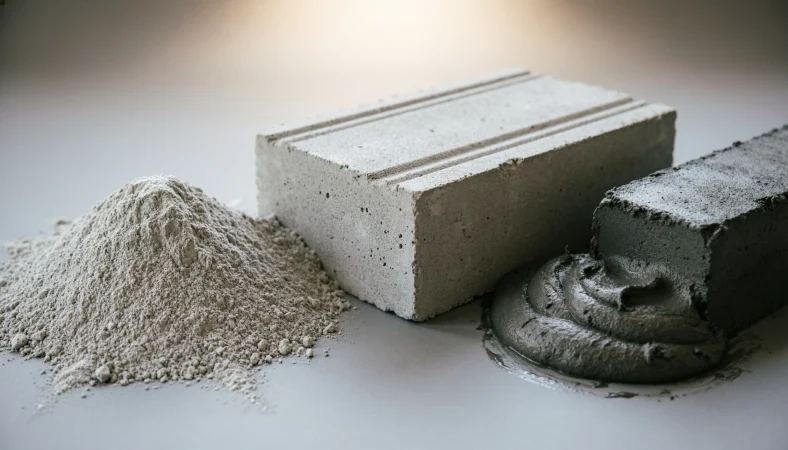
Cement is a universal building material, but the word used for it changes from one language to another.
If you are researching cement in different languages, learning construction vocabulary, communicating with international suppliers, or simply exploring world languages, knowing the correct translation can be useful.
This guide explains how to say cement in different languages with the native word, an easy English pronunciation, and a practical example sentence. The examples are designed to show how the word is naturally used in everyday construction conversations.
Cement in All Languages: 70 Translations
The table below provides cement in all languages in one easy-to-scan format. Pronunciations are simplified for English speakers, so they are intended as practical reading guides rather than exact phonetic transcriptions.
| # | Language | Native phrase | Easy English pronunciation | Real-life example | English meaning |
|---|---|---|---|---|---|
| 1 | English | cement | si-MENT | We bought cement for the new house. | We bought cement for the new house. |
| 2 | Spanish | cemento | seh-MEN-toh | Compramos cemento para la casa. | We bought cement for the house. |
| 3 | French | ciment | see-MAHN | Nous avons acheté du ciment. | We bought cement. |
| 4 | German | Zement | tseh-MENT | Wir kauften Zement. | We bought cement. |
| 5 | Italian | cemento | cheh-MEN-toh | Abbiamo comprato cemento. | We bought cement. |
| 6 | Portuguese | cimento | see-MEN-toh | Compramos cimento para a obra. | We bought cement for the construction work. |
| 7 | Dutch | cement | seh-MENT | Wij kochten cement. | We bought cement. |
| 8 | Russian | цемент | tseh-MYENT | Мы купили цемент. | We bought cement. |
| 9 | Chinese (Mandarin) | 水泥 | shway-nee | 我们买了水泥。 | We bought cement. |
| 10 | Japanese | セメント | seh-men-toh | セメントを買いました。 | We bought cement. |
| 11 | Korean | 시멘트 | shee-men-teu | 우리는 시멘트를 샀어요. | We bought cement. |
| 12 | Arabic | أسمنت | AS-ment | اشترينا أسمنت. | We bought cement. |
| 13 | Hindi | सीमेंट | see-MENT | हमने सीमेंट खरीदा। | We bought cement. |
| 14 | Urdu | سیمنٹ | see-MENT | ہم نے سیمنٹ خریدا۔ | We bought cement. |
| 15 | Bengali | সিমেন্ট | shee-MENT | আমরা সিমেন্ট কিনেছি। | We bought cement. |
| 16 | Punjabi | ਸੀਮਿੰਟ | see-MINT | ਅਸੀਂ ਸੀਮਿੰਟ ਖਰੀਦਿਆ। | We bought cement. |
| 17 | Turkish | çimento | chee-MEN-toh | Çimento aldık. | We bought cement. |
| 18 | Persian | سیمان | see-MAAN | ما سیمان خریدیم. | We bought cement. |
| 19 | Greek | τσιμέντο | tseh-MEN-toh | Αγοράσαμε τσιμέντο. | We bought cement. |
| 20 | Polish | cement | TSEH-ment | Kupiliśmy cement. | We bought cement. |
| 21 | Swedish | cement | seh-MENT | Vi köpte cement. | We bought cement. |
| 22 | Danish | cement | seh-MENT | Vi købte cement. | We bought cement. |
| 23 | Norwegian | sement | seh-MENT | Vi kjøpte sement. | We bought cement. |
| 24 | Finnish | sementti | seh-MENT-tee | Ostimme sementtiä. | We bought cement. |
| 25 | Romanian | ciment | chee-MENT | Am cumpărat ciment. | We bought cement. |
| 26 | Hungarian | cement | TSEH-ment | Cementet vettünk. | We bought cement. |
| 27 | Czech | cement | TSEH-ment | Koupili jsme cement. | We bought cement. |
| 28 | Slovak | cement | TSEH-ment | Kúpili sme cement. | We bought cement. |
| 29 | Ukrainian | цемент | tseh-MENT | Ми купили цемент. | We bought cement. |
| 30 | Hebrew | צמנט | tseh-MENT | קנינו צמנט. | We bought cement. |
| 31 | Thai | ปูนซีเมนต์ | poon-see-MENT | เราซื้อปูนซีเมนต์ | We bought cement. |
| 32 | Vietnamese | xi măng | see-mang | Chúng tôi mua xi măng. | We bought cement. |
| 33 | Indonesian | semen | SEH-men | Kami membeli semen. | We bought cement. |
| 34 | Malay | simen | SEE-men | Kami membeli simen. | We bought cement. |
| 35 | Filipino (Tagalog) | semento | seh-MEN-toh | Bumili kami ng semento. | We bought cement. |
| 36 | Swahili | saruji | sah-ROO-jee | Tulinunua saruji. | We bought cement. |
| 37 | Zulu | usimende | oo-see-MEN-deh | Sithenge usimende. | We bought cement. |
| 38 | Afrikaans | sement | seh-MENT | Ons het sement gekoop. | We bought cement. |
| 39 | Hausa | ciminti | chee-MIN-tee | Mun sayi ciminti. | We bought cement. |
| 40 | Amharic | ሲሚንቶ | see-MIN-toh | ሲሚንቶ ገዛን። | We bought cement. |
| 41 | Somali | sibidh | see-BID | Waxaan iibsanay sibidh. | We bought cement. |
| 42 | Tamil | சிமெண்டு | see-MEN-doo | நாங்கள் சிமெண்டு வாங்கினோம். | We bought cement. |
| 43 | Telugu | సిమెంట్ | see-MENT-too | మేము సిమెంట్ కొన్నాము. | We bought cement. |
| 44 | Kannada | ಸಿಮೆಂಟ್ | see-MENT-too | ನಾವು ಸಿಮೆಂಟ್ ಖರೀದಿಸಿದೆವು. | We bought cement. |
| 45 | Malayalam | സിമന്റ് | see-MENT | ഞങ്ങൾ സിമന്റ് വാങ്ങി. | We bought cement. |
| 46 | Marathi | सिमेंट | see-MENT | आम्ही सिमेंट विकत घेतले. | We bought cement. |
| 47 | Gujarati | સિમેન્ટ | see-MENT | અમે સિમેન્ટ ખરીદી. | We bought cement. |
| 48 | Nepali | सिमेन्ट | see-MENT | हामीले सिमेन्ट किन्यौं। | We bought cement. |
| 49 | Sinhala | සිමෙන්ති | see-MEN-thee | අපි සිමෙන්ති ගත්තෙමු. | We bought cement. |
| 50 | Burmese | ဘိလပ်မြေ | bee-lat-myay | ကျွန်ုပ်တို့ ဘိလပ်မြေ ဝယ်ခဲ့သည်။ | We bought cement. |
| 51 | Khmer | ស៊ីម៉ង់ត៍ | see-MAHNG | យើងបានទិញស៊ីម៉ង់ត៍។ | We bought cement. |
| 52 | Lao | ຊີມັງ | see-MANG | ພວກເຮົາຊື້ຊີມັງ. | We bought cement. |
| 53 | Mongolian | цемент | tseh-MENT | Бид цемент авсан. | We bought cement. |
| 54 | Kazakh | цемент | tseh-MENT | Біз цемент сатып алдық. | We bought cement. |
| 55 | Uzbek | sement | seh-MENT | Biz sement sotib oldik. | We bought cement. |
| 56 | Albanian | çimento | chee-MEN-toh | Ne blemë çimento. | We bought cement. |
| 57 | Serbian | цемент | tseh-MENT | Купили смо цемент. | We bought cement. |
| 58 | Croatian | cement | TSEH-ment | Kupili smo cement. | We bought cement. |
| 59 | Bulgarian | цимент | tseh-MENT | Купихме цимент. | We bought cement. |
| 60 | Lithuanian | cementas | tseh-MEN-tas | Nusipirkome cementą. | We bought cement. |
| 61 | Latvian | cements | TSEH-ments | Mēs nopirkām cementu. | We bought cement. |
| 62 | Estonian | tsement | TSEH-ment | Me ostsime tsementi. | We bought cement. |
| 63 | Icelandic | sement | seh-MENT | Við keyptum sement. | We bought cement. |
| 64 | Irish | stroighin | STROH-in | Cheannaíomar stroighin. | We bought cement. |
| 65 | Welsh | sment | SMENT | Prynwyd sment gennym. | We bought cement. |
| 66 | Maltese | ċiment | CHEE-ment | Xtrajna ċiment. | We bought cement. |
| 67 | Georgian | ცემენტი | tseh-MEN-tee | ჩვენ ვიყიდეთ ცემენტი. | We bought cement. |
| 68 | Armenian | ցեմենտ | tseh-MENT | Մենք ցեմենտ գնեցինք։ | We bought cement. |
| 69 | Azerbaijani | sement | seh-MENT | Biz sement aldıq. | We bought cement. |
| 70 | Basque | zementu | seh-MEN-too | Zementua erosi genuen. | We bought cement. |
How to Say Cement in Different Languages
The word cement is surprisingly similar across many languages. European languages such as Spanish, Italian, Portuguese, German, Polish, Romanian, and Dutch often use forms that resemble the English word.
However, some languages use a noticeably different term. For example, Mandarin uses 水泥, while Persian uses سیمان and Vietnamese uses xi măng.
This makes cement translations especially interesting for language learners and people working in international construction.
Cement Around the World
Cement is used in homes, bridges, roads, foundations, walls, tunnels, dams, and other infrastructure. Because construction is an international industry, knowing basic terminology can make communication easier.
So, although the two words are sometimes used interchangeably in casual conversation, they do not technically mean the same thing.
Why Cement Translations Are Useful
Knowing the word for cement in another language can be helpful in several situations:
- Construction workers communicating with international teams
- Importers and exporters discussing building materials
- Students learning practical vocabulary
- Travelers dealing with building or renovation projects
- Translators working with technical documents
- Businesses communicating with overseas suppliers
- Language learners building industry-specific vocabulary
A short word can therefore have practical value far beyond basic language study.
Common Patterns in Cement Translations
One interesting feature of these 70 cement translations is how many languages retain a similar sound.
Words such as cement, Zement, ciment, cemento, cimento, çimento, and sement share recognizable patterns. This is partly connected to the historical spread of the term and related European vocabulary.
Other languages use completely different native terms. Mandarin 水泥, for example, literally reflects a different way of naming the material, while Chinese construction vocabulary has its own established terminology.
Cement vs. Concrete: Are They the Same?
No. Cement and concrete are related but different.
Cement is the powdered binding material. When cement is mixed with water and other ingredients, it helps bind them together. Concrete is the hardened construction material produced from cement, water, and aggregates.
This distinction matters when translating construction documents because using the wrong word can create confusion about materials, quantities, or specifications.
Tips for Learning Cement in Different Languages
The easiest way to remember these translations is to group languages by similarity rather than trying to memorize all 70 at once.
Start with languages whose words resemble English, such as German, Dutch, Polish, Swedish, Norwegian, and several Romance languages. Then learn the less familiar terms individually.
It also helps to practice each word in a short sentence. A phrase such as “We bought cement” is easier to remember than an isolated vocabulary item because it connects the translation with a real-life situation.
Frequently Asked Questions About Cement in Different Languages
1. How do you say cement in different languages?
The word changes depending on the language. Examples include cemento in Spanish, ciment in French, Zement in German, cimento in Portuguese, цемент in Russian, 水泥 in Mandarin, セメント in Japanese, and सीमेंट in Hindi.
2. What is cement called in the most widely spoken languages?
In Spanish it is cemento, in French ciment, in German Zement, in Arabic أسمنت, in Hindi सीमेंट, in Urdu سیمنٹ, in Mandarin 水泥, in Japanese セメント, and in Korean 시멘트.
3. Why are cement translations similar in many languages?
Many languages have adopted words that are historically related to the international terminology used for the material. As a result, several European languages have words that sound remarkably similar to one another.
4. What is the difference between cement and concrete?
Cement is a binding ingredient, while concrete is the final composite building material made using cement, water, and aggregates. Cement helps hold the components of concrete together.
5. Which cement translations are very different from English?
Some of the more distinctive examples include Mandarin 水泥, Persian سیمان, Vietnamese xi măng, Burmese ဘိလပ်မြေ, Somali sibidh, and Swahili saruji. These are useful examples to learn separately because they do not closely resemble the English word.
Conclusion
Learning cement in different languages is a simple way to expand practical vocabulary while discovering how languages around the world name an essential construction material.
From familiar forms such as cemento and cimento to distinctive terms such as 水泥 and سیمان, these 70 translations show the remarkable variety of language around one everyday word.
if you need cement translations for construction, travel, business, study, or curiosity, keeping the native term together with its pronunciation and a real-life example makes the vocabulary easier to understand and remember.

I am Johnny Thomas, a passionate language enthusiast and writer. I enjoy exploring different languages, cultures, words, and expressions. I create helpful, easy-to-understand content to help readers discover languages and communicate confidently.