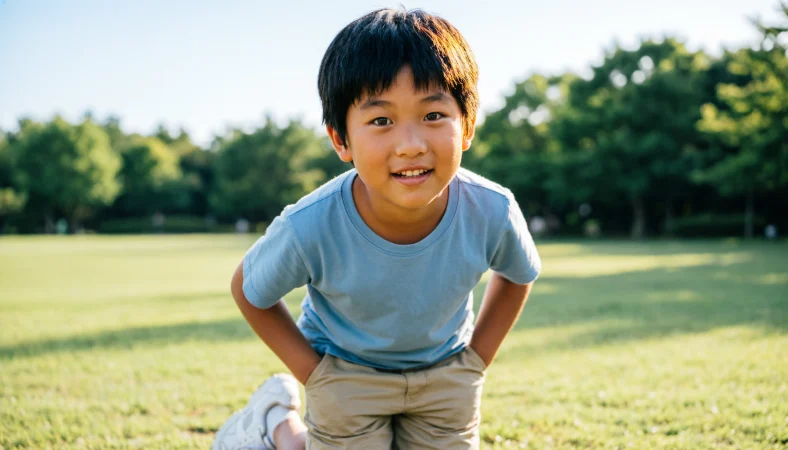
The word “boy” is one of the most useful everyday words for language learners, travelers, students, and anyone interested in world languages.
Although the basic idea is similar across cultures, the exact word can change depending on the language, region, age, and context.
In this guide, you will discover boy in different languages, including the native word or phrase, an easy English pronunciation, and a simple real-life example.
This makes it easier to understand boy translations, learn how to say boy in different languages, and see how the word is naturally used around the world.
The list below includes exactly 70 languages, covering languages from Europe, Asia, Africa, the Middle East, and other parts of the world.
Boy in Different Languages: 70 Translations
| # | Language | Native phrase | Easy English pronunciation | Example sentence | English meaning |
|---|---|---|---|---|---|
| 1 | Afrikaans | seun | sayn | Die seun speel. | The boy is playing. |
| 2 | Albanian | djalë | dyal-uh | Djali po luan. | The boy is playing. |
| 3 | Amharic | ወንድ ልጅ | wen-d lij | ወንዱ ልጅ እየተጫወተ ነው። | The boy is playing. |
| 4 | Arabic | ولد | wa-lad | الولد يلعب. | The boy is playing. |
| 5 | Armenian | տղա | tgha | Տղան խաղում է։ | The boy is playing. |
| 6 | Azerbaijani | oğlan | oh-lan | Oğlan oynayır. | The boy is playing. |
| 7 | Basque | mutil | moo-teel | Mutila jolasten ari da. | The boy is playing. |
| 8 | Belarusian | хлопчык | khlop-chik | Хлопчык гуляе. | The boy is playing. |
| 9 | Bengali | ছেলে | che-le | ছেলেটি খেলছে। | The boy is playing. |
| 10 | Bosnian | dječak | dyeh-chak | Dječak se igra. | The boy is playing. |
| 11 | Bulgarian | момче | mom-cheh | Момчето играе. | The boy is playing. |
| 12 | Catalan | noi | noy | El noi juga. | The boy is playing. |
| 13 | Cebuano | batang lalaki | ba-tang la-la-kee | Ang batang lalaki nagdula. | The boy is playing. |
| 14 | Chinese (Mandarin) | 男孩 | nán-hái | 男孩在玩。 | The boy is playing. |
| 15 | Croatian | dječak | dyeh-chak | Dječak se igra. | The boy is playing. |
| 16 | Czech | chlapec | khla-pets | Chlapec si hraje. | The boy is playing. |
| 17 | Danish | dreng | dreng | Drengen leger. | The boy is playing. |
| 18 | Dutch | jongen | yong-en | De jongen speelt. | The boy is playing. |
| 19 | English | boy | boy | The boy is playing. | The boy is playing. |
| 20 | French | garçon | gar-son | Le garçon joue. | The boy is playing. |
| 21 | French | garçon | gar-son | Le garçon joue. | The boy is playing. |
| 22 | German | Junge | yoong-uh | Der Junge spielt. | The boy is playing. |
| 23 | Greek | αγόρι | a-GO-ri | Το αγόρι παίζει. | The boy is playing. |
| 24 | Gujarati | છોકરો | chho-kro | છોકરો રમે છે. | The boy is playing. |
| 25 | Haitian Creole | ti gason | tee ga-zon | Ti gason an ap jwe. | The boy is playing. |
| 26 | Hausa | yaro | ya-ro | Yaron yana wasa. | The boy is playing. |
| 27 | Hebrew | ילד | ye-led | הילד משחק. | The boy is playing. |
| 28 | Hindi | लड़का | lad-ka | लड़का खेल रहा है। | The boy is playing. |
| 29 | Hungarian | fiú | fee-oo | A fiú játszik. | The boy is playing. |
| 30 | Icelandic | strákur | strau-kur | Strákurinn er að leika sér. | The boy is playing. |
| 31 | Indonesian | anak laki-laki | a-nak la-kee la-kee | Anak laki-laki itu sedang bermain. | The boy is playing. |
| 32 | Irish | buachaill | boo-a-khill | Tá an buachaill ag imirt. | The boy is playing. |
| 33 | Italian | ragazzo | ra-GAHT-tso | Il ragazzo gioca. | The boy is playing. |
| 34 | Japanese | 男の子 | oh-toh-koh-noh-koh | 男の子が遊んでいます。 | The boy is playing. |
| 35 | Javanese | lanang | la-nang | Bocah lanang kuwi dolanan. | The boy is playing. |
| 36 | Kannada | ಹುಡುಗ | hu-du-ga | ಹುಡುಗ ಆಟವಾಡುತ್ತಿದ್ದಾನೆ. | The boy is playing. |
| 37 | Kazakh | бала | ba-la | Бала ойнап жүр. | The boy is playing. |
| 38 | Khmer | ក្មេងប្រុស | kmeng pros | ក្មេងប្រុសកំពុងលេង។ | The boy is playing. |
| 39 | Korean | 소년 | so-nyun | 소년이 놀고 있어요. | The boy is playing. |
| 40 | Lao | ເດັກຊາຍ | dek sai | ເດັກຊາຍກຳລັງຫຼິ້ນ. | The boy is playing. |
| 41 | Latvian | puika | poo-ee-ka | Puika spēlējas. | The boy is playing. |
| 42 | Lithuanian | berniukas | ber-nyoo-kas | Berniukas žaidžia. | The boy is playing. |
| 43 | Macedonian | момче | mom-che | Момчето игра. | The boy is playing. |
| 44 | Malay | budak lelaki | boo-dak leh-la-kee | Budak lelaki itu sedang bermain. | The boy is playing. |
| 45 | Malayalam | ആൺകുട്ടി | aan-koo-tti | ആൺകുട്ടി കളിക്കുകയാണ്. | The boy is playing. |
| 46 | Marathi | मुलगा | mul-ga | मुलगा खेळत आहे. | The boy is playing. |
| 47 | Mongolian | хүү | khoo | Хүү тоглож байна. | The boy is playing. |
| 48 | Nepali | केटा | kay-ta | केटा खेल्दैछ। | The boy is playing. |
| 49 | Norwegian | gutt | goot | Gutten leker. | The boy is playing. |
| 50 | Persian | پسر | pe-sar | پسر بازی میکند. | The boy is playing. |
| 51 | Polish | chłopiec | khwo-pyets | Chłopiec się bawi. | The boy is playing. |
| 52 | Portuguese | menino | meh-NEE-no | O menino está brincando. | The boy is playing. |
| 53 | Punjabi | ਮੁੰਡਾ | moon-da | ਮੁੰਡਾ ਖੇਡ ਰਿਹਾ ਹੈ। | The boy is playing. |
| 54 | Romanian | băiat | buh-yat | Băiatul se joacă. | The boy is playing. |
| 55 | Russian | мальчик | mal-chik | Мальчик играет. | The boy is playing. |
| 56 | Serbian | дечак | deh-chak | Дечак се игра. | The boy is playing. |
| 57 | Slovak | chlapec | khla-pets | Chlapec sa hrá. | The boy is playing. |
| 58 | Slovenian | fant | fant | Fant se igra. | The boy is playing. |
| 59 | Spanish | niño | NEE-nyo | El niño juega. | The boy is playing. |
| 60 | Swahili | mvulana | mvoo-la-na | Mvulana anacheza. | The boy is playing. |
| 61 | Swedish | pojke | POY-keh | Pojken leker. | The boy is playing. |
| 62 | Tagalog | batang lalaki | ba-tang la-la-kee | Naglalaro ang batang lalaki. | The boy is playing. |
| 63 | Tamil | சிறுவன் | si-ru-van | சிறுவன் விளையாடுகிறான். | The boy is playing. |
| 64 | Telugu | అబ్బాయి | ab-bai | అబ్బాయి ఆడుతున్నాడు. | The boy is playing. |
| 65 | Thai | เด็กชาย | dek-chai | เด็กชายกำลังเล่น | The boy is playing. |
| 66 | Turkish | oğlan | oh-lan | Oğlan oynuyor. | The boy is playing. |
| 67 | Ukrainian | хлопчик | khlop-chyk | Хлопчик грається. | The boy is playing. |
| 68 | Urdu | لڑکا | lar-ka | لڑکا کھیل رہا ہے۔ | The boy is playing. |
| 69 | Vietnamese | cậu bé | kow bay | Cậu bé đang chơi. | The boy is playing. |
| 70 | Welsh | bachgen | BAKH-gen | Mae’r bachgen yn chwarae. | The boy is playing. |
How to Say Boy in Different Languages
The most direct way to translate “boy” is to use the common noun for a young male child in the target language. However, the exact word can vary according to age and context.
For example, Spanish commonly uses niño, while Italian uses ragazzo. French uses garçon, German uses Junge, and Russian uses мальчик.
In some languages, one word may cover several related meanings, such as child, son, young man, or boy. Context therefore matters when choosing the most natural translation.
Boy in All Languages: What Changes Between Translations?
A translation does not always match the English word on a one-to-one basis. Some languages distinguish between a small child and an older boy, while others use a broader word for a young male.
For example:
- Spanish: niño commonly means boy or child.
- Italian: ragazzo can refer to a boy or young man.
- French: garçon commonly means boy and can also mean a waiter in certain contexts.
- German: Junge refers to a boy or young male child.
- Japanese: 男の子 specifically refers to a boy or male child.
- Arabic: ولد is a common word for boy or male child.
- Hindi: लड़का means boy and is widely used in everyday conversation.
This is why learning the native phrase together with an example sentence is more useful than memorizing a translation by itself.
Boy Translations in European Languages
German uses Junge, Dutch uses jongen, Danish uses dreng, Swedish uses pojke, Norwegian uses gutt, and Icelandic uses strákur.
Romance languages have their own distinct forms. French uses garçon, Italian uses ragazzo, Spanish uses niño, Catalan uses noi, and Portuguese commonly uses menino.
Slavic languages also show noticeable similarities. Russian has мальчик, Ukrainian has хлопчик, Polish has chłopiec, Czech and Slovak use chlapec, while Bulgarian and Macedonian use closely related forms based on момче.
Boy Around the World
These examples show how the same everyday idea can be expressed through completely different sounds, scripts, and grammatical structures.
Why Learn “Boy” in Different Languages?
First, it helps language learners build everyday vocabulary. Second, it provides an easy way to recognize related words while reading or listening. Third, comparing translations can reveal interesting differences between languages.
The word can also be useful when traveling, studying, translating conversations, writing stories, or learning how nouns work in another language.
Tips for Using Boy Translations Correctly
A word may describe a young child in one situation but sound more like “young man” in another. Some languages also change nouns according to gender, number, grammatical case, or sentence structure.
Pronunciation is equally important. The easy English pronunciations in the table are designed as beginner-friendly guides rather than precise phonetic transcriptions. Listening to native speakers is the best way to improve accent and pronunciation.
Common Questions About “Boy” in Different Languages
1. How do you say “boy” in different languages?
“Boy” has different translations across languages. Examples include niño in Spanish, garçon in French, Junge in German, ragazzo in Italian, мальчик in Russian, 男孩 in Mandarin Chinese, and लड़का in Hindi.
2. What is “boy” in all languages?
There is no single universal word for “boy.” Each language has its own expression, and some languages have multiple words depending on age, region, or context. The table above provides 70 common translations.
3. What is the most common translation of “boy”?
There is no single translation that is most common worldwide. English itself uses “boy,” while major languages use forms such as Spanish niño, French garçon, German Junge, Arabic ولد, and Chinese 男孩.
4. How can I pronounce “boy” correctly in another language?
Start with the pronunciation guide provided in the table, then listen to native speakers and repeat the word slowly. Pay attention to sounds that do not exist in English, because a direct English-style pronunciation may not sound natural.
5. Can “boy” mean “son” in another language?
Sometimes. Some languages use related words for “boy” and “son,” while others clearly distinguish them. The correct choice depends on the sentence and the relationship being described.
Conclusion
Learning how to say “boy” in different languages is a simple way to expand vocabulary and explore how languages describe everyday life.
From niño in Spanish and garçon in French to 男の子 in Japanese and लड़का in Hindi, each translation reflects the structure and vocabulary of its language.
Use the 70-language table as a quick reference for boy in different languages, pronunciation practice, writing, travel, and language learning.

I am Jimmy Michael, a language enthusiast and writer passionate about exploring different languages, words, and cultures. I create simple, useful content that helps readers understand languages better and discover new ways to communicate globally.